Pharmacist Mark Mikhael has lost 50 pounds over the past 12 months. He no longer has diabetes and finds himself “at my ideal body weight,” with his cholesterol below 200 for the first time in 20 years. “I feel fantastic,” he said.
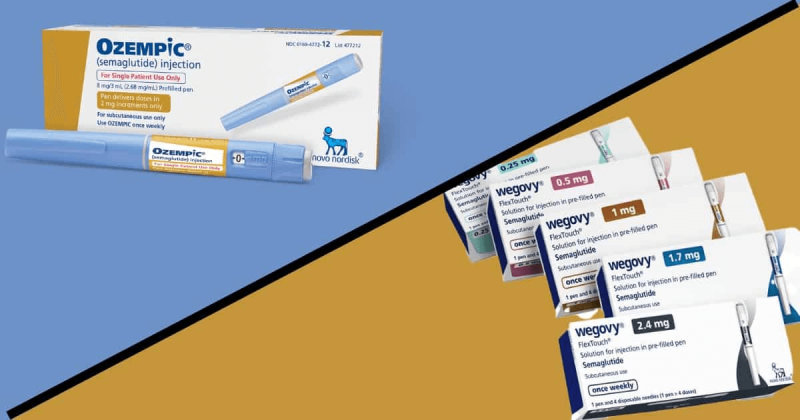
Like millions of others, Mikhael credits the new class of weight loss drugs. But he isn’t using brand-name Wegovy or Zepbound. Mikhael, CEO of Orlando, Florida-based Olympia Pharmaceuticals, has been getting by with his own supply: injecting himself with copies of the drugs formulated by his company.
The drug-making behemoths fiercely oppose that compounding business. Novo Nordisk and Lilly lump the compounders together with internet cowboys and unregulated medical spas peddling bogus semaglutide, and have high-powered legal teams trying to stop them. Novo Nordisk has filed at least 21 lawsuits nationwide against companies making purported copies of its drugs, said Brianna Kelley, a spokesperson for the company, and urges doctors to avoid them. The FDA, too, has cautioned about the potential danger of the compounds, and leading obesity medicine groups starkly warn patients against their use.
But this isn’t an illegal black market, though it has shades of gray.

The FDA allows and even encourages compounding pharmacies to produce and sell copycats when a drug is in short supply, and the wildly popular GLP-1 drugs have enduring shortages — first reported in March 2022 for semaglutide and in December 2022 for tirzepatide. The drugs have registered unprecedented success in weight loss. They are also showing promise against heart, kidney, and liver diseases and are being tested against conditions as diverse as Alzheimer’s disease and drug addiction.