Social media users are actively discussing the various qualities—both good and bad—of foods, particularly grains and other related products. However, some of this content is misleading, spreading inaccurate or false information about the health benefits, nutritional value, and safety of these foods. This misinformation can create confusion and potentially harmful misconceptions among the public.
Social Media Posts
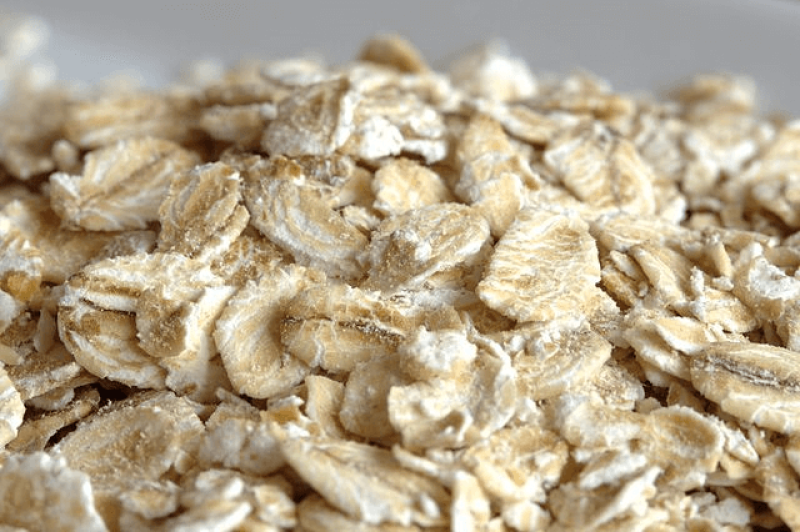
A recent video circulating on social media platforms has sparked concerns by claiming that oatmeal, particularly the inorganic variety, is toxic to the body and can significantly reduce one’s lifespan. The video suggests that oatmeal is among the most heavily sprayed crops with pesticides, specifically mentioning glyphosate, a chemical that has been banned in several countries. The video warns viewers to avoid oatmeal unless in extreme survival situations, citing the detrimental effects of glyphosate on human health. Additionally, the presenter promotes a book titled “The Herbal Tablets,” which purportedly contains essential health information that can improve one’s well-being and longevity.
…
Claim 1: “Oatmeal is the highest sprayed crop with pesticides, particularly glyphosate.”
Facts: Oat farmers work to grow a quality crop that is sustainable and safe. Glyphosate is one product commonly used by farmers to effectively control grass weeds prior to planting or after a crop is harvested. It also reduces disease and natural contaminants. Read more
Therefore, Oats are indeed one of the crops treated with glyphosate, a widely used herbicide. Glyphosate is commonly applied as a pre-harvest desiccant to dry out crops like oats before they are harvested. This practice helps control weeds and ensures uniform crop ripening.
However, the claim that oats are the “highest sprayed crop with pesticides” is misleading. While oats do receive glyphosate treatment, many other crops, such as soybeans and corn, are also treated with glyphosate and may receive higher overall pesticide applications depending on the region and farming practices. Read more

Claim 2: “Glyphosate is extremely bad for your health.”
Facts: The health impacts of glyphosate have been the subject of extensive debate and research. The International Agency for Research on Cancer (IARC) classified glyphosate as “probably carcinogenic to humans” (Group 2A) in 2015, based on limited evidence in humans and sufficient evidence in experimental animals. However, other agencies, such as the EPA and the European Food Safety Authority (EFSA), have concluded that glyphosate is unlikely to pose a cancer risk to humans when used according to guidelines. IARC Monographs on glyphosate can be read here
…
Conclusion
In summary, the claims made in the viral video contain elements of truth but are presented in a misleading manner. While glyphosate is used on oats and has been linked to health risks in certain contexts, the levels found in food products are generally considered safe by regulatory bodies. The claim that oatmeal is one of the most pesticide-heavy crops and should be avoided entirely is an exaggeration not supported by the broader scientific consensus. Additionally, while glyphosate is banned in some countries, it remains widely used and regulated in many others.