Podcast:
Podcast: Play in new window | Download
Subscribe: RSS
AI is poised to revolutionize a lot of the services we depend on every day, including health care. While the technology could help reduce human error and provide care more quickly, there is a risk lurking behind these promises. To the extent that AI replaces doctors, nurses and other providers, there is a possibility that it will further depersonalize medicine, and patients are already beginning to object to the incursion of AI into health care as a result. How serious is this risk, and what can we do about it?




Ozempic and other weight-loss drugs are helping millions of people shed excess fat and reduce their risk for diabetes. They also appear to have another positive, though unexpected side effect: increased sex drive. Evidence remains limited at this point, however some patients have reported more satisfying sex lives after starting one of these medicines. One patient told the Wall Street Journal she went from having sex a few times a week to doing so daily, sometimes more than once. “This put it to the point where my husband was like, ‘I need a break,’” she added. Is this a unique side effect of the drugs themselves, or just one of the benefits of significant weight loss?
In July, the US Supreme Court repudiated a controversial legal doctrine known as the “Chevron Deference.” In place for more almost four decades, the rule instructed courts to defer to federal regulatory agencies on legal questions related to their expertise. The Court’s decision has split the science community, with some declaring the ruling a serious threat to public health and others arguing it will keep federal agencies from wrongly expanding their authority.
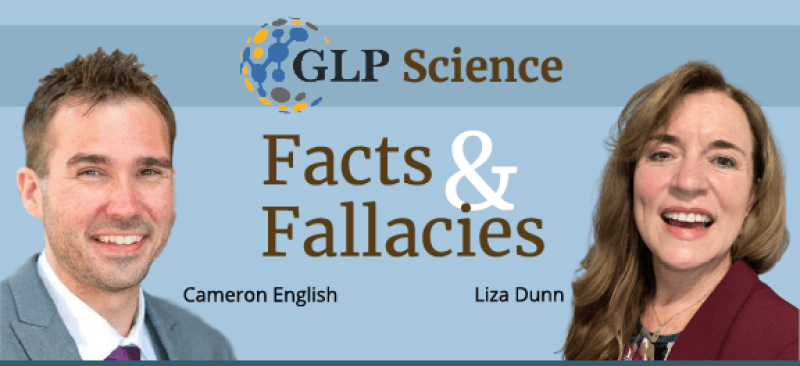
Dr. Liza Dunn is a medical toxicologist and the medical affairs lead at Bayer Crop Science. Follow her on X @DrLizaMD
Cameron J. English is the director of bio-sciences at the American Council on Science and Health. Visit his website and follow him on X @camjenglish