

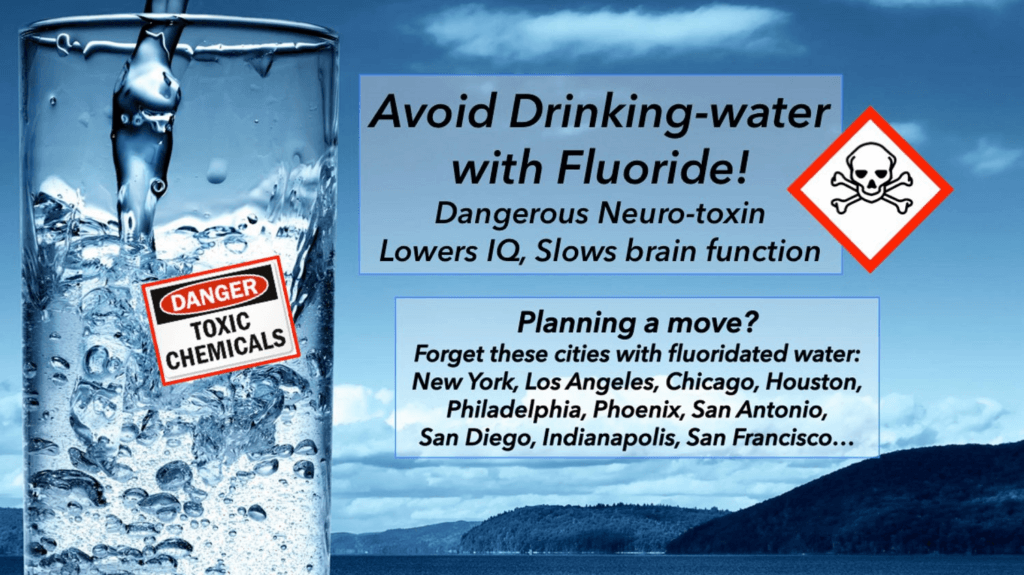
The National Toxicology Program (NTP), part of the Department of Health and Human Services, has released a comprehensive study titled “Monograph on the State of Science Concerning Fluoride Exposure and Neurodevelopment and Cognition,” and longtime fluoride foes argue that it includes a supposed bombshell finding: It linked high levels of fluoride with lower IQs in children.
This association between elevated fluoride exposure and decreased cognitive function in children has caused a lot of fear and anxiety.
…
According to the NTP report, about 0.6% of the U.S. population — approximately 1.9 million people — are on water systems with naturally occurring fluoride levels of 1.5 milligrams per liter or higher. It’s important enough that I’ll repeat it: These high levels are naturally occurring and not the result of artificial water fluoridation programs. So let’s make this crystal clear: This study does not provide evidence against current community water fluoridation practices.
…




The American Dental Association (ADA) is not happy with the report. In their statement, they highlight “significant limitations and biases within the report” that must be considered before accepting its conclusions. The ADA also pointed out that there were two previous drafts of the report in 2019 and 2020, both of which raised major red flags. The National Academies of Sciences, Engineering and Medicine, which was the original peer reviewer, reported that these earlier drafts “would not survive scientific scrutiny without major revision.”
Of particular concern in these drafts was a hazard assessment in which the authors state that fluoride is “presumed to be a cognitive neurodevelopmental hazard to humans,” regardless of exposure level. This assessment was later removed after the peer review committee found that the report fell short of providing a clear and convincing argument to support this claim.
…
- The study focused on fluoride levels significantly higher than those in U.S. water fluoridation programs.
- None of the 19 IQ studies were conducted in the U.S. or in other places with fluoridation. Instead, they took place in areas with naturally high fluoride levels, limiting their generalizability.
- The review didn’t consider fluoride’s dental health benefits or provide a risk-benefit analysis.
- It did not address risks at lower fluoride levels relevant to most public water systems.
- Adult fluoride exposure effects weren’t addressed.
The ADA’s criticisms include inconsistent application of risk of bias criteria, inadequate statistical rigor, and selective reporting of non-significant study results, all of which persist in the latest report.