
Fluoride in our water lowers IQ? Activists misrepresent problematic study in viral posts across social media

fluoride-water

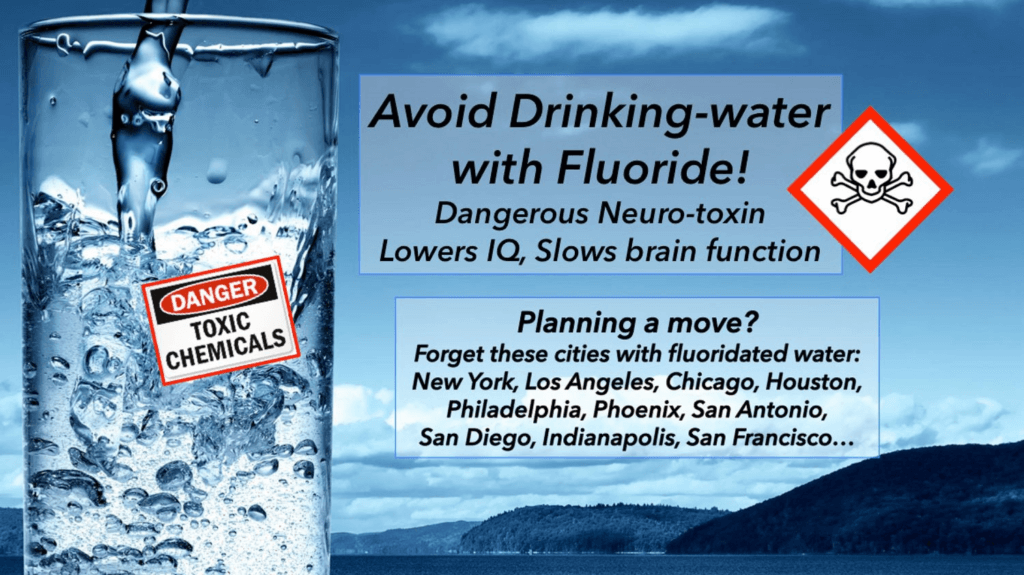
The National Toxicology Program (NTP), part of the Department of Health and Human Services, has released a comprehensive study titled “Monograph on the State of Science Concerning Fluoride Exposure and Neurodevelopment and Cognition,” and longtime fluoride foes argue that it includes a supposed bombshell finding: It linked high levels of fluoride with lower IQs in children.

This association between elevated fluoride exposure and decreased cognitive function in children has caused a lot of fear and anxiety.

…

According to the NTP report, about 0.6% of the U.S. population — approximately 1.9 million people — are on water systems with naturally occurring fluoride levels of 1.5 milligrams per liter or higher. It’s important enough that I’ll repeat it: These high levels are naturally occurring and not the result of artificial water fluoridation programs. So let’s make this crystal clear: This study does not provide evidence against current community water fluoridation practices.
…

The American Dental Association (ADA) is not happy with the report. In their statement, they highlight “significant limitations and biases within the report” that must be considered before accepting its conclusions. The ADA also pointed out that there were two previous drafts of the report in 2019 and 2020, both of which raised major red flags. The National Academies of Sciences, Engineering and Medicine, which was the original peer reviewer, reported that these earlier drafts “would not survive scientific scrutiny without major revision.”

Mis- and disinformation are distorting science and public policy. Subscribe to our Daily and Weekly Digests for incisive coverage of ‘disruptive’ innovations in AI, agricultural biotechnology, food, chemicals, nuclear energy, vaccines, and other disruptive innovations.

Of particular concern in these drafts was a hazard assessment in which the authors state that fluoride is “presumed to be a cognitive neurodevelopmental hazard to humans,” regardless of exposure level. This assessment was later removed after the peer review committee found that the report fell short of providing a clear and convincing argument to support this claim.

…

  1. The study focused on fluoride levels significantly higher than those in U.S. water fluoridation programs.
  2. None of the 19 IQ studies were conducted in the U.S. or in other places with fluoridation. Instead, they took place in areas with naturally high fluoride levels, limiting their generalizability.
  3. The review didn’t consider fluoride’s dental health benefits or provide a risk-benefit analysis.
  4. It did not address risks at lower fluoride levels relevant to most public water systems. 
  5. Adult fluoride exposure effects weren’t addressed.

The ADA’s criticisms include inconsistent application of risk of bias criteria, inadequate statistical rigor, and selective reporting of non-significant study results, all of which persist in the latest report.


This is an excerpt. Read the original post here

Related Articles

Infographic: Global regulatory and health research agencies on whether glyphosate causes cancer

Infographic: Global regulatory and health research agencies on whether glyphosate causes cancer

Does glyphosate—the world's most heavily-used herbicide—pose serious harm to humans? Is it carcinogenic? Those issues are of both legal and ...

Most Popular

ChatGPT Image Jul 31, 2026, 08_05_37 AM
26% and far worse than during COVID: Under RFK Jr., Americans’ opinion of ‘revamped’ CDC hits an all-time low
Cancer mRNA Vaccine Concept
'A new frontier': Though scorned by RFK Jr., personalized mRNA vaccine offers hope for many suffering from melanoma skin cancer
Screenshot-2026-10-26-at-11.06.10-AM
Viewpoint: The organic, good-food, small-farm movement is seductive but wrongheaded. Here’s the sustainability and environmental case for industrial farming
Screenshot-2026-10-24-121036
Many hospitals embrace longevity medicine. Are they separating science from hype?
Picture1
Viewpoint: How badly is the U.S. food-safety net fraying? FDA’s bungled handling of the tainted lettuce crisis deepens concerns over cuts to disease tracking and response
ChatGPT-Image-Mar-10-2026-01_39_01-PM
Viewpoint—“Miracle molecule” debunked: Why acemannan supplements don’t work
China Innovation Lightbulb 2
China’s 5-year plan to accelerate science innovation is putting the U.S. and Europe in the rearview mirror
Screenshot-2026-10-23-at-10.37.12-AM
Viewpoint: Drones, dollars and baby food: Critical innovations that anti-plastic ideologues willfully ignore
Crimson Drips Over the White House
In Trump administration redirect, U.S. steers NIH sharply away from biodefense and pandemic preparedness
Healthy Food Sensitivity Test Collection
Viewpoint: That’ll be $300: The wellness industry’s junk science scam to ‘fix’ your immune system that isn’t broken
West-Virginia-SNAP-Water-Bottle-Sticker
A ‘shining success’ or 'empty promises’: Two years along, West Virginians assess MAHA’s food promises
Screenshot-2026-10-19-at-12.04.51-PM
Victims of their own success: As memories of killer diseases fade, vaccine rejectionism soars
Rustic Skillet of Raw Brains
‘Weird food’? Testicle- and brain-eating, supplement-gulping MAHA health food enthusiasts defend their ‘natural’ diets
glp menu logo outlined

Get news on human & agricultural genetics and biotechnology delivered to your inbox.