


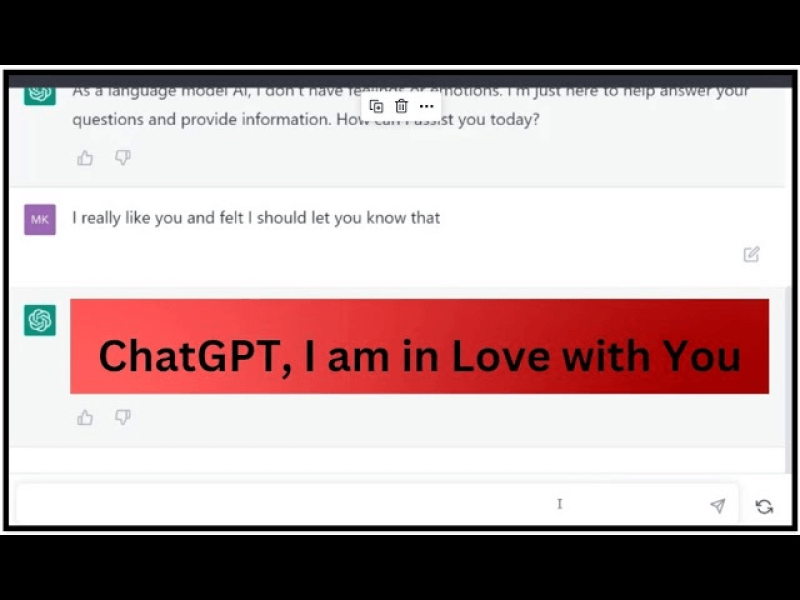

If you’re a paid subscriber to ChatGPT, you may have noticed the artificial intelligence (AI) large language model has recently started to sound more human when you are having audio interactions with it. That’s because the company behind the language model-cum-chatbot, OpenAI, is currently running a limited pilot of a new feature known as “advanced voice mode.”
OpenAI says this new mode “features more natural, real-time conversations that pick up on and respond with emotion and non-verbal cues.” It plans for all paid ChatGPT subscribers to have access to the advanced voice mode in coming months.
…
But the potential dangers of ChatGPT’s advanced voice mode are also very real.




Time spent chatting with any bot is time that can’t be spent interacting with friends and family. And people who spend a lot of time with technology are at greatest risk of displacing relationships with other humans. As OpenAI identifies, chatting with bots can also contaminate existing relationships people have with other people. They may come to expect their partners or friends to behave like polite, submissive, deferential chatbots. These bigger effects of machines on culture are going to become more prominent. On the upside, they may also provide deep insights into how culture works.





















