Podcast:
Podcast: Play in new window | Download
Subscribe: RSS
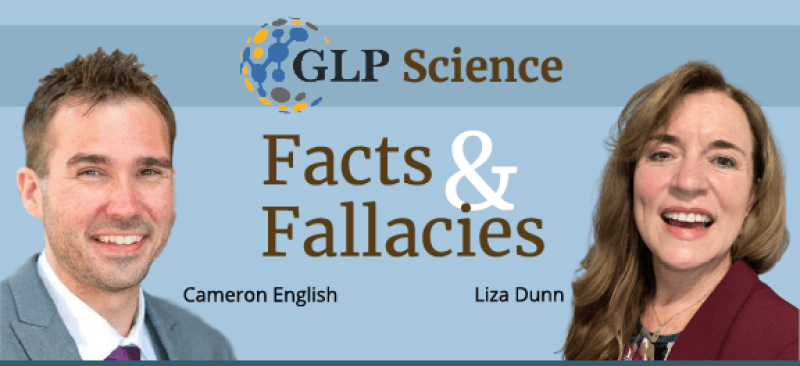
Join hosts Dr. Liza Dunn and GLP contributor Cameron English on episode 287 of Science Facts and Fallacies as they break down these latest news stories:
Rachel Carson is remembered fondly as the founder of modern environmentalism, whose 1962 book Silent Spring helped build support to establish the Environmental Protection Agency (EPA). As time goes on, though, some prominent figures in science are beginning raise difficult questions about Carson’s legacy—with some suggesting her opposition to the insecticide DDT cost millions of people their lives. Is it time to reassess Carson’s reputation, or does she truly deserve the praise she typically receives?

Often smeared with pejoratives like “Big Ag” and “industrial farming,” large conventional farming operations that utilize the latest technologies have a pivotal role to play in sustainably boosting food production. Sadly, major news outlets like the BBC–which ought to know better–have bought into the foolish notion that a return to subsistence farming will help us feed ourselves in an environmentally friendly manner. Why does this myth persist?
Some evidence seems to suggest that placebos, treatments with no active ingredients, can manage the symptoms of certain medical conditions under the right circumstances. This result has led some public health experts to speculate about treating patients with placebos alongside actual medication. But there’s a catch, several actually: placebos work because patients believe they work. Telling someone they’ve been prescribed a sugar pill could undermine whatever positive effect it might have on their condition. Moreover, is it ethical to prescribe a sick patient an inert “medication” when there are effective treatments available?
Dr. Liza Dunn is a medical toxicologist and the medical affairs lead at Bayer Crop Science. Follow her on X @DrLizaMD
Cameron J. English is the director of bio-sciences at the American Council on Science and Health. Visit his website and follow him on X @camjenglish