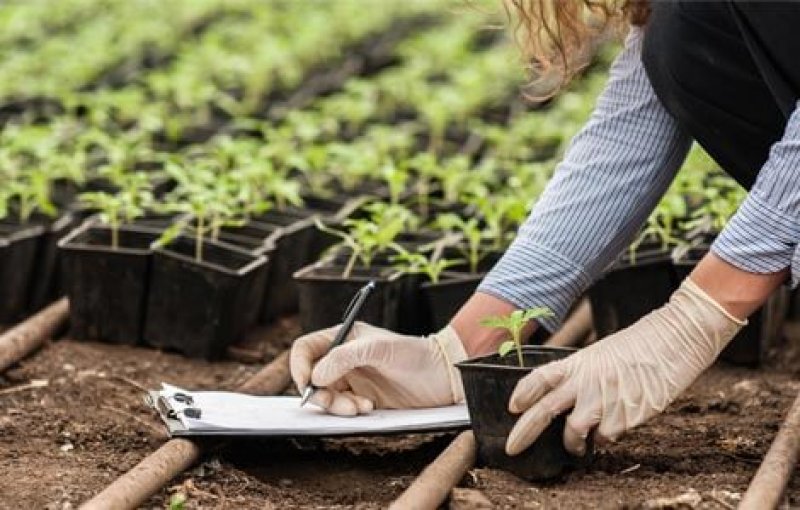

Our soil … holds about double the amount of carbon that’s in the atmosphere, and almost three times the volume stored in vegetation. There are plenty of good reasons for keeping carbon there and sequestering more: soil carbon is critical to maintaining the structure, water and nutrient-holding capacity of our soils, and feeding soil microbes that recycle nutrients. It’s also one of the most cost-effective methods of storing carbon.
But, short of digging up every field, how do we know for sure how much carbon is being stored over time and how much of a difference efforts like regenerative agricultural practices could make?
Some companies are harnessing machine learning as they tackle the challenge of reducing physical sampling requirements while boosting the accuracy of assessing soil carbon socks.
…




Getting this right is also going to be critical for countries such as Kenya to include soil carbon sequestration in their nationally determined contributions and help bridge the gap between carbon reductions pledged and those required to meet the goals of the Paris Agreement.