Blood samples of pregnant women have detectable levels of chemicals and that ‘chemical cocktail’ may pose [a] “neurotoxic risk”, according to a paper published in Science whose senior author is strangely on the board of reviewing editors at Science.
This “chemical cocktail” nomenclature has been popular among activists like Robert F. Kennedy Jr. and other environmental lawyers for decades because it needs no science, it instead means science ‘needs more testing’, and there will never be enough testing.
Despite no harm in homeopathic levels of hundreds of chemicals found in blood samples collected from 2006 to 2008, they [declared] a “toxic exposome” may be causing disease and developmental disorders in kids who were exposed to these endocrine-disrupting and neurotoxic substances.
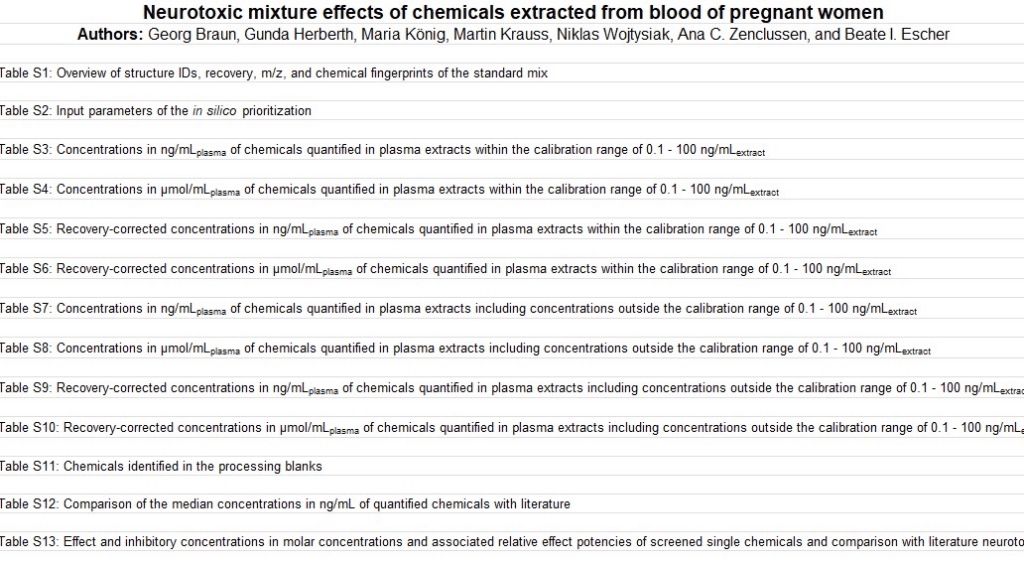
The line between homeopathy and science may be determined by whether or not you are an editor at the journal publishing your claims.
Everything is an endocrine-disrupting chemical
The problem with the claims by the authors is that there [is] no product that doesn’t change our hormones. If you drink coffee, tea, juice, or water while reading these you [experience] endocrine disruption. Only people truly disenfranchised from basic biology think that change is always bad.
To create their provocative result, they used an assay popular for water activists, the senior author wrote a whole white paper on how much she loves alleging supernatural effects using it, to examine results from blood samples of 624 women enrolled in the popular German LINA cohort, and added in their own definition of “neurotoxicity.”
It is no surprise they found so much of it.
Using their custom version of toxic, they blast the A-Team of Progressive Chemical Scaremongering: chemicals, except those certified organic; pesticides, except those certified organic; pharmaceuticals, we must assume they didn’t get the message that the left suddenly loves Big Pharma now; cosmetics like makeup and skin cream; food, like the “ultra-processed” and seed oils that are popular to demonize on social media; and for anything else not covered a blanket endogenous compounds.
 Viewpoint: ‘Toxic-free EU’? Why Europe’s naive Green Deal is scientifically illiterate and could cripple innovation for years to come
 Viewpoint: What defines a female athlete? Law professor, former runner’s case for why Caster Semenya’s testosterone levels critical in determining if she should compete with women


None of this is science, of course, despite being published in Science thanks to perhaps an author being a prominent editor at Science, it is instead over in the EXPLORATORY pile along with all other in vitro claims, mouse papers, and epidemiology created using Food Diaries.
The authors are forced to concede that because all of the chemicals they were able to detect are so far below No Effect Levels they wouldn’t even have been detectable 30 years ago, they cannot ethically claim harm, which is why they insinuate that while none of the chemicals are harmful, their possible effects all together are not known. Because no regulatory agency forces companies to mix infinite combinations of chemicals before approval.
In other words, homeopathy or some other magical hormesis effect may in play.
Biology, chemistry, and toxicology do not work that way, or no product would be safe. A scientifically-minded Professorship in Environmental Toxicology at Eberhard Karls University Tübingen would know that.
Unfortunately, you don’t get those German academic jobs unless you [go] into science to tear down public trust in science.
Hank Campbell is the founder of Science 2.0 and the author of Science Left Behind. Follow Hank on X @HankCampbell
A version of this article was originally posted at Science 2.0 and is reposted here with permission. Any reposting should credit both the GLP and the original article. Find Science 2.0 on X @science2_0