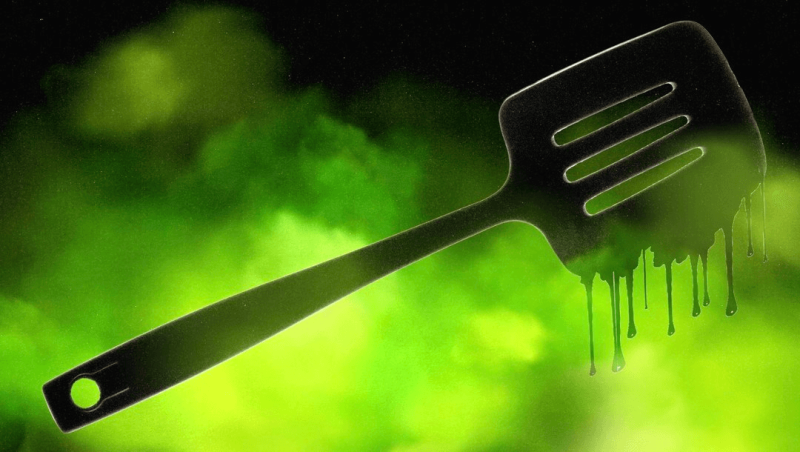
TFF’s study wasn’t just flawed; it was a stunning failure of basic arithmetic. Their calculations inflated the supposed risk by a factor of 10, a glaring error that went unnoticed by every reporter who amplified the scare. It took a chemist—not a journalist—to expose the truth: your spatula isn’t poisoning you, and this so-called scandal was nothing but sloppy activism dressed up as science. The media’s complicity in spreading this nonsense is a damning indictment of its willingness to sacrifice facts for sensationalism.
Spatula-gate
From early October to the middle of December [of 2024], headlines like this one from CNN proliferated across the internet: “Black-colored plastic used for kitchen utensils and toys linked to banned toxic flame retardants.” Many major outlets published copycat articles, all of them uncritically promoting a study conducted by Toxic-Free Future.

The study purported to show that some consumer products manufactured from recycled black plastic contained “hazardous flame retardants.” A handful of speculative studies has linked these chemicals to health conditions including cancer and endocrine disruption, prompting several countries to ban them out of an abundance of caution.
The story had all the elements reporters needed for a scandalous headline: scary chemicals hidden in popular products, crippling diseases and an industry trade group that denied any wrongdoing. Normally a story of this nature would metastasize: more studies and more headlines would warn about the harmful chemicals lurking in your kid’s toys, and opportunistic politicians would use the fabricated scandal to further restrict the use of plastic.
But TFF made an embarrassing mistake that nobody saw until two months after their study was published: they overestimated the amount of flame retardant found in recycled plastic by a factor of 10. McGill University chemist Joe Schwarcz spotted the error, as The National Post reported on December 11:
“The paper correctly gives the reference dose for [the flame retardant] BDE-209 as 7,000 nanograms per kilogram of body weight per day, but calculates this into a limit for a 60-kilogram adult of 42,000 nanograms per day. So … the estimated actual exposure from kitchen utensils of 34,700 nanograms per day is more than 80 per cent of the EPA limit of 42,000.
That sounds bad. But 60 times 7,000 is not 42,000. It is 420,000. This is what Joe Schwarcz noticed. The estimated exposure is not even a tenth of the reference dose … ‘I think it does change the flavour of the whole thing somewhat when you’re off by a factor of ten in comparing something to the reference value,’ he said.”
Put simply, you can use a plastic spatula to make pancakes without fear of poisoning your family with flame retardants.
Just a “typo”
The ethical thing to do in this situation is to acknowledge the mistake and explain that black plastic isn’t a public health menace after all. Naturally, TFF did the exact opposite. The activist group described its glaring mistake as a “typo” and insisted that “The error does not impact the study’s findings, recommendations, or conclusions.”




The national media’s response was arguably worse. As of this writing, neither CNN nor the Atlantic has bothered to correct their original coverage from October. The same goes for November stories by the New York Times and The Hill. The Times published a second piece on December 10 explaining that “not all experts agree that these [black plastic] items are unsafe to use.” But that story still hasn’t been updated to acknowledge the flaw in TFF’s study. NBC News told the same lie by omission.
CNN published a second article on December 13, two days after Schwarcz exposed the flaw in the study. But instead of correcting her previous coverage, reporter Sandee LaMotte attacked the EPA for allowing a “Toxic chemical in black plastic utensils and toys” to “proliferate.”
Fortunately, not all coverage of this story was equally awful. The San Francisco Chronicle corrected its own mistaken reporting of the TFF study and called out the national outlets that published similarly flawed coverage. Yahoo! Life put out a surprisingly helpful article explaining why the TFF paper was unrealistic and noting that “the vast majority of black plastic household items do not contain these contaminants.”
Strikingly, Slate never bought into the anti-plastic hype. Instead, the magazine’s science columnist, an epidemiologist at the University of Wollongong, wrote that “I am still using my black plastic spatula. I have no plans to stop any time soon.”
Legacy media dying a clueless death
In years past legacy outlets like CNN were able to control the framing of an evolving story like this. No longer. For one thing, an independent scientist like Schwarcz had a large enough platform to demolish the scare story while TFF was trying to fabricate it. That’s notable, and it speaks to the value of experts monitoring and responding to media coverage on websites like ours.
More importantly, the legacy press doesn’t seem to realize what time it is. Gallup reported in October that the public’s trust in media is at an all-time low—with just 31 percent of Americans expressing a “great deal” or “fair amount” of confidence in journalists. This distrust is reflected in declining newspaper circulation and digital subscriptions. Web traffic to the top 50 news sites is also falling rapidly as more than half of Americans report getting news from social media sites like X.
The press’s rampant dishonesty–so clearly exposed by this phony scandal around black plastic–is steadily destroying their profitability and pushing them into irrelevance. We say good riddance.
A version of this article was originally posted at The Firebreak and has been reposted here with permission. Any reposting should credit the original author and provide links to both the GLP and the original article. Find Firebreak on X @the_firebreak