Consumer resistance to technology tweaking food: Brits remain skeptical about cell-based meats

60cddc_964a301238854db5ac8d688fa5b22056~mv2
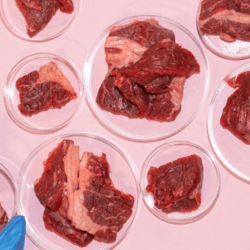
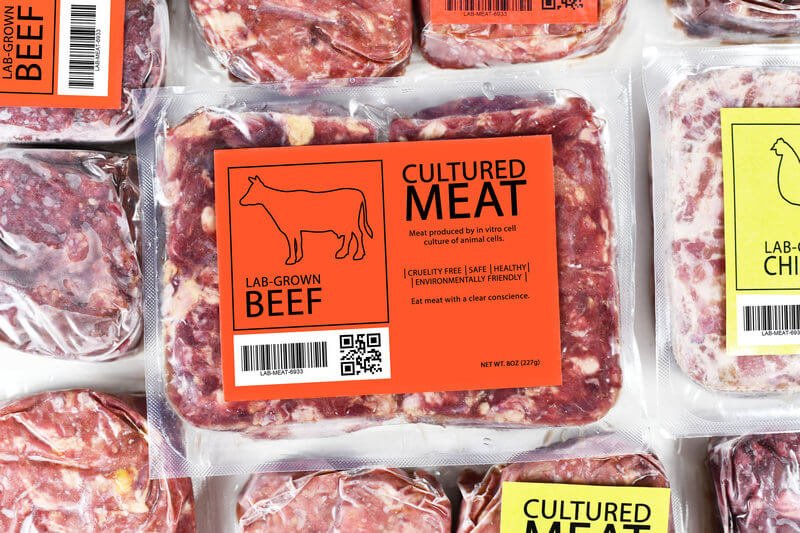
[A] minority (16-41%) of people in the UK are willing to consume cell-cultivated meat [according to the UK Food Standards Agency]. While 59% of people recognize the potential benefits of cell-cultivated meat, more people (85%) express concerns regarding its safety, unnaturalness, and impact on farmers.

Follow the latest news and policy debates on sustainable agriculture, biomedicine, and other ‘disruptive’ innovations. Subscribe to our newsletter.

An evidence review was undertaken to examine consumer responses to cell-cultivated products (meat, seafood, dairy and plants). Cell-cultivated products are foods made without slaughter or traditional farming.

  • Studies reporting a higher percentage of people willing to consume cell-cultivated meat tended to use the term ‘cultivated’ rather than ‘lab-grown’, provided participants with a description of the product emphasising its benefits, and/or surveyed participants in more recent years.
  • Willingness to consume cell-cultivated meat is lower in the UK than in the USA.
  • People in the UK are more likely to be willing to consume cell-cultivated meat if they are:

    • [F]amiliar with cell-cultivated meat terms
    • Have no concerns about cell-cultivated meat
    • Believe there are any benefits of cell-cultivated meat
    • Are confident that regulation will prevent the unsafe sale of cell-cultivated meat

This is an excerpt. Read the original post here

{{ reviewsTotal }}{{ options.labels.singularReviewCountLabel }}
{{ reviewsTotal }}{{ options.labels.pluralReviewCountLabel }}
{{ options.labels.noReviewsLabel }}
{{ options.labels.newReviewButton }}
{{ userData.canReview.message }}

Related Articles

Infographic: Global regulatory and health research agencies on whether glyphosate causes cancer

Infographic: Global regulatory and health research agencies on whether glyphosate causes cancer

Does glyphosate—the world's most heavily-used herbicide—pose serious harm to humans? Is it carcinogenic? Those issues are of both legal and ...

Most Popular

ChatGPT-Image-Jul-26-2026-05_58_17-PM
Louisiana and Texas bring RFK,Jr.- MAHA-backed restrictions on dyes and other ‘controversial’ ingredients to eight states
ChatGPT-Image-Jul-26-2026-05_35_53-PM
FDA takes up peptide therapies as hype outpaces science
ChatGPT-Image-Mar-10-2026-01_39_01-PM
Viewpoint—“Miracle molecule” debunked: Why acemannan supplements don’t work
ChatGPT-Image-Jul-9-2026-11_33_49-AM
Viewpoint: High-dose resveratrol supplements to extend health and life? Don’t waste your money.
ChatGPT-Image-Jul-10-2026-09_42_12-AM-1
Peptides, patient autonomy, and the limits of medical freedom
Screenshot-2026-07-23-at-11.58.47-AM
Viewpoint: ‘Thought police in the UK?’ Conservatives lash out at government report calling anti-LGBQT+ narratives ‘false and misleading’
ChatGPT-Image-Jul-22-2026-09_13_07-AM
Viewpoint—The Strategic Litigation boom: Understanding the tightening coalition among NGOs, foundations, journalists, and tort lawyers
organic scaled
Facts & Fallacies podcast: Organic food cuts pesticide exposure? A response to Dr. Rhonda Patrick
IVF Rex
Poll: Younger people more open to using genetics to increase fertility and reduce chances of inherited diseases 
How to Include More Strawberries in Your Diet
Strawberries are berries—and 35 other surprising food and drink myths
Screenshot-2026-07-07-at-12.55.44-PM
Viewpoint: Yes, we can adapt to a changing climate without devastating the environment and the economy
ChatGPT-Image-May-22-2026-10_26_09-AM
Trump-RFK, Jr. National Science Board firings: Accountability vs. partisan meddling
ChatGPT-Image-Jun-25-2026-12_23_17-PM
No, Bill Gates did not secretly engineer ticks to promote veganism
glp menu logo outlined

Get news on human & agricultural genetics and biotechnology delivered to your inbox.