Biotechnology breakthroughs in medicine surge

Future evolution: ‘Biologist Kevin Esvelt’s work highlights biotechnology’s immense potential for good—but also for catastrophe’
Credit: Midjourney/ Heenan

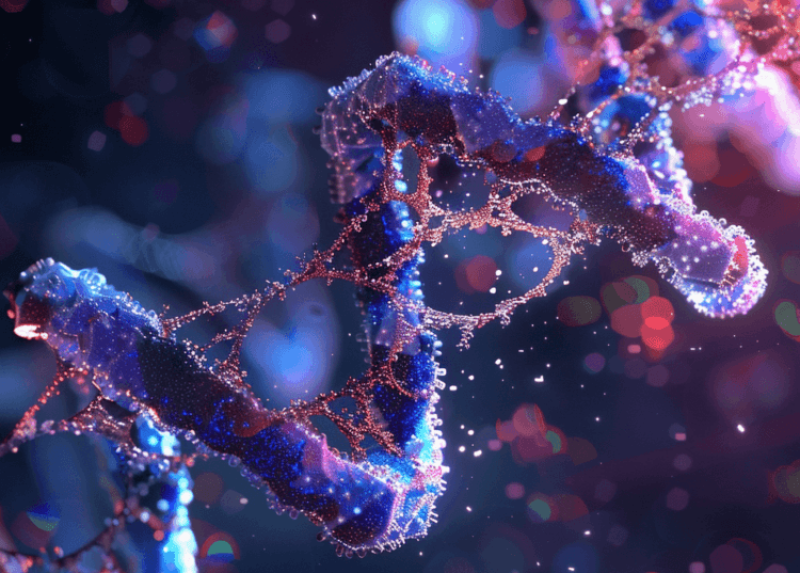
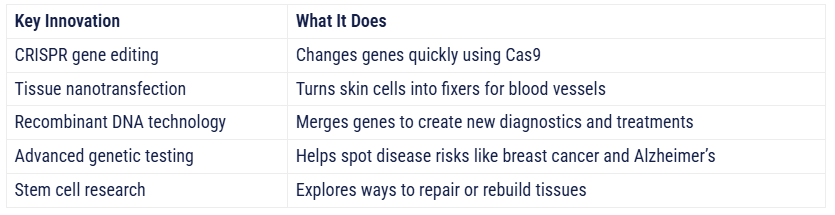
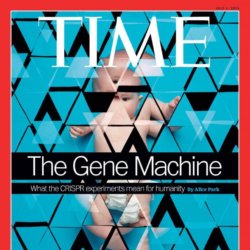
Biotech breakthroughs are lighting up new ways to care for our health. Researchers are using smart ideas, from gene editing to growing new cells, to make patient care better every day. One cool tool is CRISPR gene editing. It uses Cas9 (a helper protein) to change our genes quickly and accurately. Then there’s tissue nanotransfection, which shows promise by turning skin cells into helpers for fixing damaged blood vessels.
Follow the latest news and policy debates on sustainable agriculture, biomedicine, and other ‘disruptive’ innovations. Subscribe to our newsletter.

Modern molecular tests offer clear clues that help doctors design treatments tailored to each person. When they spot certain markers, physicians can match patients with therapies that fit their genetic profiles, which makes the care safer and more exact. This focused approach cuts down on guesswork and paves a more direct path to recovery. As biotechnology keeps fine-tuning these tools and methods, everyday care benefits from quicker diagnoses and treatments that truly reflect lab findings and real needs. The steady change in testing and treatment is setting a fresh pace for personalized medicine and better health outcomes.
This is an excerpt. Read the original post here

{{ reviewsTotal }}{{ options.labels.singularReviewCountLabel }}
{{ reviewsTotal }}{{ options.labels.pluralReviewCountLabel }}
{{ options.labels.newReviewButton }}
{{ userData.canReview.message }}

Related Articles

Infographic: Global regulatory and health research agencies on whether glyphosate causes cancer

Infographic: Global regulatory and health research agencies on whether glyphosate causes cancer

Does glyphosate—the world's most heavily-used herbicide—pose serious harm to humans? Is it carcinogenic? Those issues are of both legal and ...

Most Popular

d-b
Blocked arteries, kidney stones, nausea, constipation, fatigue: Long list of health problems caused by too much vitamin D 
Screenshot-PM-24
Viewpoint: The herbicide glyphosate isn’t perfect. Banning it would be far worse.
ChatGPT-Image-Mar-27-2026-11_27_05-AM
The myths of “process”: What science says about the “dangers’ of synthetic products and ultra-processed foods
Screenshot-2026-04-29-at-11.31.42-AM
Dad brains: Only women undergo bodily changes during and after childbirth? Think again.
ChatGPT-Image-Mar-3-2026-01_17_14-PM
MAHA wellness influencers deride proven anxiety medications, tout lifestyle fixes
png-pill-omega-Supp-fish-oil
Fish oil supplements for brain injuries probably don’t work 
circular-bioeconomy-should-focus-on-sustainable-wellbeing
GLP podcast: What's wrong with 'doomsday' environmentalism? It's false.
ChatGPT-Image-Feb-16-2026-01_04_32-PM
Raw milk myth wake-up call
ChatGPT-Image-Apr-28-2026-12_46_14-PM-2
Kennedy has quietly stopped touting problematic raw milk. Health concerns aren’t why
ChatGPT-Image-Apr-22-2026-11_06_18-AM
Wellness influencer nonsense: No, nicotine does not boost cognition and productivity, but it can damage your health 
ChatGPT-Image-Feb-16-2026-01_57_31-PM
Viewpoint: ‘Science-as-Satan’ unites the MAHA—MAGA movements. Is a breakup in the works?
glp menu logo outlined

Get news on human & agricultural genetics and biotechnology delivered to your inbox.