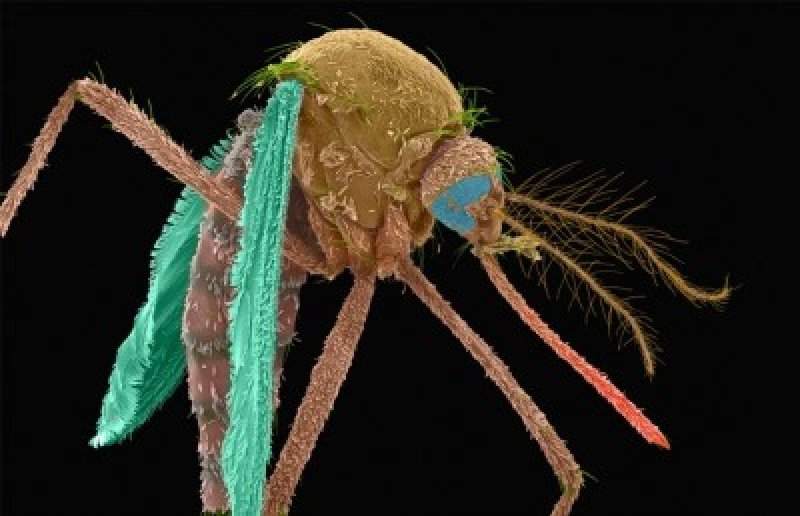

Last year, Oxitec released tens of thousands of GM mosquitoes in Djibouti, where there has been a resurgence of malaria caused by an invasive species. It was the first time such mosquitoes have been released in east Africa and the second time on the continent.
…
The impact of these mosquitoes on malaria transmission could be significant, believes Lottie Renwick, head of strategy for Malaria No More UK. “They will play a really major role and be gamechanging,” she says, but adds that the intervention needs to work alongside other tools such as mosquito nets and injections.
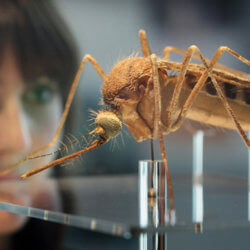


The lab-produced mosquitoes carry a “self-limiting” gene that blocks normal cellular processes, which means if they mate, any female offspring will die. The male progeny, which do not bite, will survive and go on to mate with other wild females. With sustained releases of these “friendly mosquitoes”, more females die off, greatly reducing the mosquito population and the spread of malaria.