Food-borne illnesses are a growing problem. CRISPR-based biosensing may be key to food safety

AquaBioTox-Demonstrator.

The availability of safe food is crucial for maintaining both nutritional well-being and overall health security. Estimates indicate that 1 in 10 people fall ill after consuming contaminated food, and globally, 420,000 people die each year due to unsafe food consumption….Traditional methods of detecting foodborne pathogens and other contaminants are often time-consuming and demand technologies that are rapid, highly sensitive, and hold a point-of-use application. Biosensors that utilise CRISPR (clustered regularly interspaced short palindromic repeats) technology stand as a suitable alternative offering immense potential for research and development (R&D), and scalability, thus ensuring food safety.

Mis- and disinformation are distorting science and public policy. Subscribe to our Daily and Weekly Digests for incisive coverage of ‘disruptive’ innovations in AI, agricultural biotechnology, food, chemicals, nuclear energy, vaccines, and other disruptive innovations.

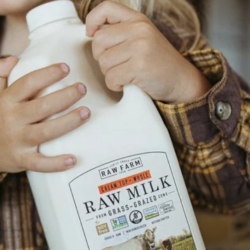
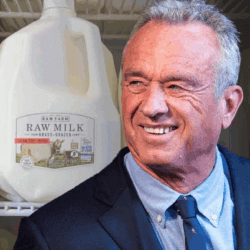
Several kinds of CRISPR-based biosensor technology are currently under R&D for food safety applications. Notably, the detection of Listeria monocytogenes, the cause of listeriosis—a major foodborne illness—was facilitated through the development of a fluorescent-based CRISPR-Cas biosensor. A biosensor to detect E. coli O157:H7 in milk samples, which causes severe illness, was recently developed as well.
This is an excerpt. Read the original post here

Related Articles

Infographic: Global regulatory and health research agencies on whether glyphosate causes cancer

Infographic: Global regulatory and health research agencies on whether glyphosate causes cancer

Does glyphosate—the world's most heavily-used herbicide—pose serious harm to humans? Is it carcinogenic? Those issues are of both legal and ...

Most Popular

ChatGPT-Image-Sep-17-2026-12_28_43-PM
Vitamin D, omega-3 fish oil and glucosamine supplements could cause brain damage 
ChatGPT-Image-Mar-10-2026-01_39_01-PM
Viewpoint—“Miracle molecule” debunked: Why acemannan supplements don’t work
ChatGPT-Image-Sep-17-2026-10_17_15-AM
Viewpoint: Why are the less intelligent more likely to be conservative—and smarter people more socially liberal?
Screenshot-2026-08-12-at-11.31.46-AM
AI is helping develop new vaccines
Screenshot-2026-09-10-at-12.20.19-PM
'Jet fuel didn't melt the steel': 9/11 conspiracy theories debunked
Screenshot-2026-09-17-at-10.24.54-AM
Viewpoint: Dubious environmental fears: Why the AI buildout is critical to America’s ecological future
Screenshot-2026-09-16-at-12.07.47-PM
The heated debate over trans athletes in the WNBA
Screenshot 2026-09-11 at 12.39
Child-monitoring apps: When the cure is worse than the harm—and how the technology could be tweaked
ChatGPT-Image-Sep-9-2026-02_48_24-PM
Viewpoint: Trump-RFK Jr. report on “Gender Ideology & Left-wing Ideology’ targets LGBTQ community—and science
ChatGPT-Image-Sep-15-2026-12_15_00-PM
Viewpoint: Women, depression and empathy: Explaining the gender gap in views about child-murderer Lindsay Clancy
Screenshot-2026-09-10-at-11.50.46-AM
Did COVID vaccines kill 2,500 service members? RFK Jr. hires an investigator who compares vaccine promoters to Nazi doctors
glp menu logo outlined

Get news on human & agricultural genetics and biotechnology delivered to your inbox.