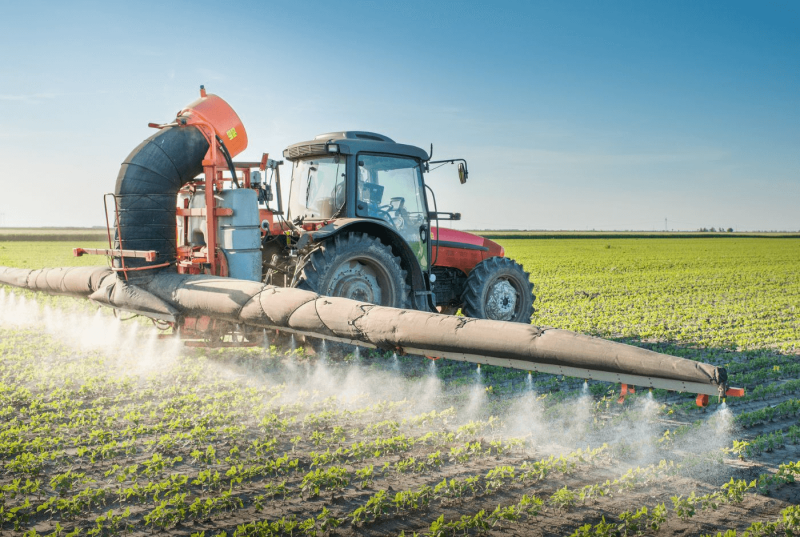
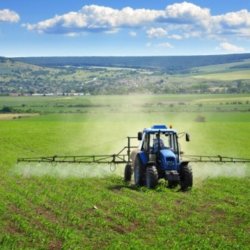
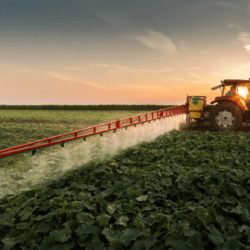
There’s a little-known fact the MAHA coalition would prefer to keep quiet: pesticides are essential to protect public health and ensure abundant food supplies. Without access to these low-risk, regulated chemistries, our quality of life would suffer in ways most people can’t imagine because they’ve never experienced a world without widespread pesticide use. By protecting crops from pests, weeds, and diseases, pesticides help prevent malnutrition and hunger—conditions that weaken immune systems and increase vulnerability to serious illness.
Beyond agriculture, pesticides combat vector-borne diseases, such as malaria and dengue, by targeting mosquitoes and other disease-carrying insects. Experts recognize that controlled pesticide use has significantly reduced the incidence of these illnesses, saving millions of lives. Moreover, pesticides reduce the risk of foodborne illnesses by controlling pathogens and toxins that can contaminate crops.
Critics are quick to retort that pesticide use increases the risk of serious disease without providing any compensating benefit. But these claims are often rooted in bad science and amplified by activists who don’t know any better—or who deliberately mislead the public. Scientists routinely correct their false allegations, yet the critics consistently spread the same baseless fearmongering year after year.
The problem is amplified by sensationalized reporting that promotes unverified findings designed to attract readers, even if it badly misleads and leaves them unnecessarily fearful of benign chemicals that protect their health in a variety of ways.
Join GLP contributors Dr. Liza Dunn and Cameron English as they challenge popular misconceptions about pesticides and take live audience questions.


— Liza Lockwood (@DrLizaMD) June 20, 2025
Dr. Liza Dunn is a medical toxicologist and the medical affairs lead at Bayer Crop Science. Follow her on X @DrLizaMD
Cameron J. English is the director of bio-sciences at the American Council on Science and Health. Follow him on X @camjenglish