Although climate change is making it harder to achieve sustainable agriculture, there is hope.
“Fortunately, many of the practices that make agriculture more sustainable and resilient can also help slow climate change,” said David Tilman, Regents professor and McKnight presidential chair in Ecology at the University of Minnesota.
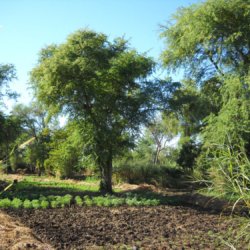
Approaches that promote soil health, such as cover crops, no-till, and crop diversification, can also increase the ability of agricultural soils to store carbon. One approach that has proved effective in tackling climate change is agroforestry, generating multiple livelihood and environmental benefits.
Agroforestry supports ecosystem services, such as regulation of water and sediment flows, and carbon and nutrient cycling in soils – leading to increased soil fertility, reduced soil erosion and flood and pest control.




…
Viewed as a valuable component of a broader development strategy, agroforestry has considerable potential to help farmers adapt to the myriad climate shocks and stresses that lie in store.