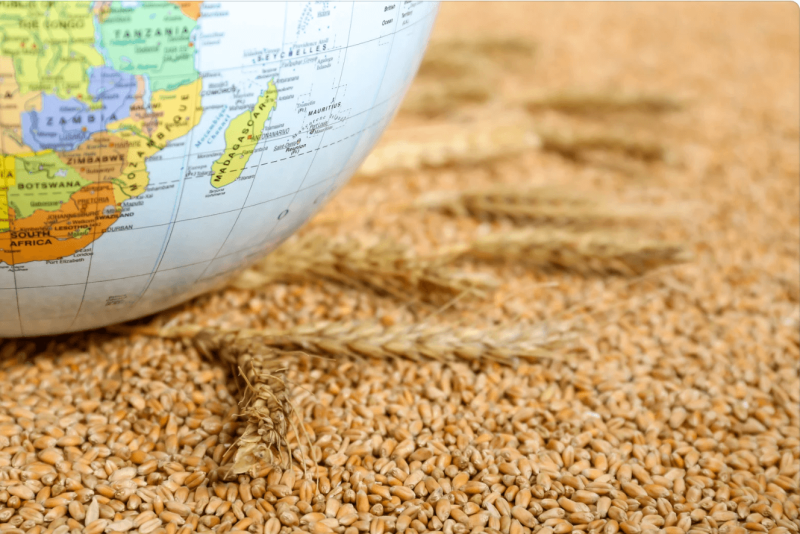
Can gene editing dramatically reduce global hunger?

Screenshot 2025-08-05 at 10.18.44 AM

In 2015, the United Nations (UN) adopted 17 Sustainable Development Goals with Goal 2 (SDG 2): Zero Hunger, aiming to ensure global food security and to improve nutrition, sustainability in food production and resilience in agricultural practices, wellbeing and income of small-scale food producers, biodiversity conservation, and investment in agricultural research and gene banks by 2030.

…

Gene editing technologies (GETs), notably site-directed nucleases, have revolutionized crop improvement. Since its application in plants was demonstrated in 2013, CRISPR/Cas has emerged as a robust and efficient tool for developing crops with enhanced yield, stress tolerance, and nutritional quality. The acceptance, deregulation, approval, and eventual commercialization of GETs-derived products can significantly accelerate progress towards Zero Hunger ….

Mis- and disinformation are distorting science and public policy. Subscribe to our Daily and Weekly Digests for incisive coverage of ‘disruptive’ innovations in AI, agricultural biotechnology, food, chemicals, nuclear energy, vaccines, and other disruptive innovations.

The legislation and regulatory processes regarding GETs … are slow-paced in various countries, which are affecting countries’ agriculture and economies, thus lagging them behind the countries that are flexible in embracing the agricultural innovations.
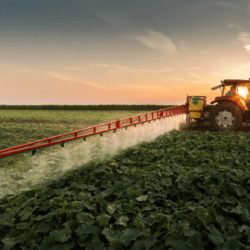
[GETs], particularly CRISPR-based systems, are evolving rapidly and demonstrating high efficiency, reliability, robustness, and effectiveness in generating new, transgene-free, desirable lines that may also bypass strict regulatory processes. 

This is an excerpt. Read the original post here

Related Articles

Infographic: Global regulatory and health research agencies on whether glyphosate causes cancer

Infographic: Global regulatory and health research agencies on whether glyphosate causes cancer

Does glyphosate—the world's most heavily-used herbicide—pose serious harm to humans? Is it carcinogenic? Those issues are of both legal and ...

Most Popular

ChatGPT-Image-Mar-10-2026-01_39_01-PM
Viewpoint—“Miracle molecule” debunked: Why acemannan supplements don’t work
Screenshot-2026-10-06-at-11.13.59-AM
RFK Jr.’s plan to curb America’s appetite for ultra-processed foods and artificial dyes blocked by the White House
Screenshot-2026-10-07-at-2.00.02-PM
9 wellness myths busted
Screenshot-2026-09-22-at-12.26.15-PM
‘Forever chemical’ concerns: Separating hysteria from reasonable concern in the debate over PFAS danger
AI Doctor with a Digital Neural Head
Utah becomes first state to empower AI to bypass doctors and prescribe certain drugs
AI-Force-Uniform-Insignia-Close-Up
Trump wants an AI Force like Space Force, but that could make AI’s risks harder to manage
Concerned-Farmer-at-Golden-Hour
GAHA: The corporate-created “healthier America” movement challenging what it claims is MAHA misinformation about modern farming, chemicals, and food
Screenshot-2026-10-08-at-2.32.00-PM
Abortion rights opponents outraged after FDA says its “safety review” of the already-found-safe mifepristone abortion pill will continue into 2027
Screenshot-2026-10-06-at-2.36.47-PM
Is organic farming really more sustainable? 100 recent studies say ‘no’
Screenshot-2026-09-28-at-11.26.17-AM
Viewpoint: Wellness movement activists reposition nicotine from a killer addictive drug into a cure-all for brain ills
Screenshot 2026-10-08 at 1.34
Hooked on kratom: The unregulated, natural, alcohol-free “social tonic” that is destroying lives 
Supreme-Court-Amid-Climate-Crisis
Should fossil fuel companies be shielded from lawsuits over climate change damage? The Supreme Court takes up the question
glp menu logo outlined

Get news on human & agricultural genetics and biotechnology delivered to your inbox.