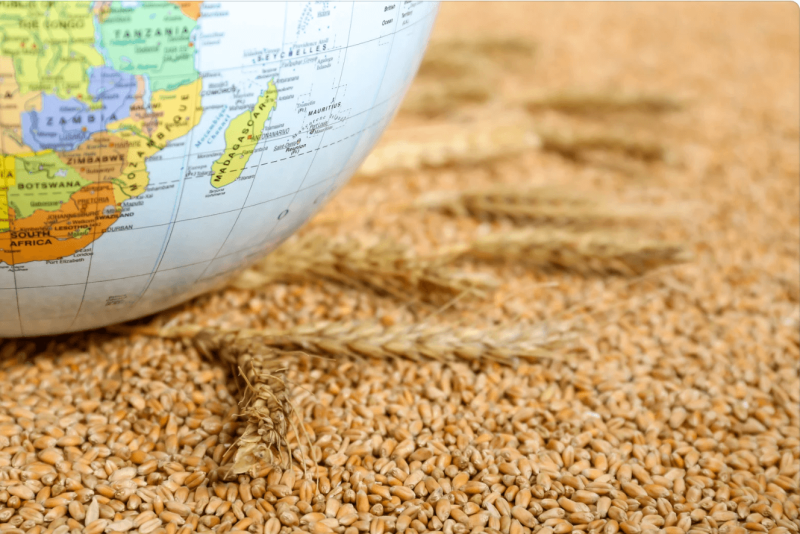
In 2015, the United Nations (UN) adopted 17 Sustainable Development Goals with Goal 2 (SDG 2): Zero Hunger, aiming to ensure global food security and to improve nutrition, sustainability in food production and resilience in agricultural practices, wellbeing and income of small-scale food producers, biodiversity conservation, and investment in agricultural research and gene banks by 2030.
…
Gene editing technologies (GETs), notably site-directed nucleases, have revolutionized crop improvement. Since its application in plants was demonstrated in 2013, CRISPR/Cas has emerged as a robust and efficient tool for developing crops with enhanced yield, stress tolerance, and nutritional quality. The acceptance, deregulation, approval, and eventual commercialization of GETs-derived products can significantly accelerate progress towards Zero Hunger ….
The legislation and regulatory processes regarding GETs … are slow-paced in various countries, which are affecting countries’ agriculture and economies, thus lagging them behind the countries that are flexible in embracing the agricultural innovations.

[GETs], particularly CRISPR-based systems, are evolving rapidly and demonstrating high efficiency, reliability, robustness, and effectiveness in generating new, transgene-free, desirable lines that may also bypass strict regulatory processes.