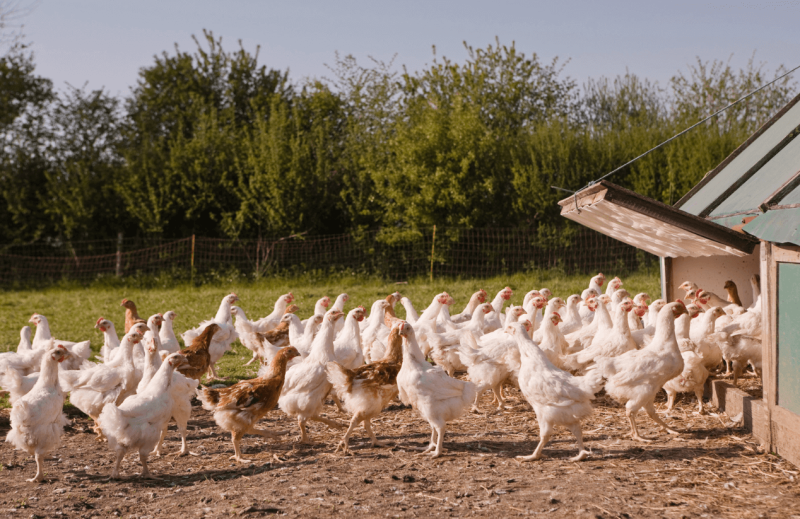

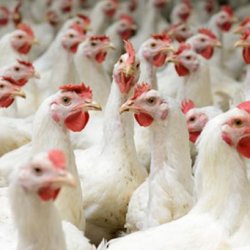
In the 2021 study, researchers looked at organic and free-range farms, which offered birds more space to roam and raised slower-growing breeds as compared to factory farm chickens.
…
To be precise, the study found that a national switch to higher welfare chicken (slow growing, on pasture) would require up to 60% more land. The researchers describe this potential switch as “untenable” — it would only work if per capita chicken consumption decreased by 37%.
In 2023, per capita chicken consumption in the U.S. was 100 lbs by 2023. Dropping that by 37% would equate to around 63 lbs of chicken per year, or about as much chicken that was being consumed in the early nineties. In other words, this would mean a huge change in the way Americans eat.


There are environmental tradeoffs however, that come with slower growing breeds and more space. In order to have more land, for the chickens to roam and to grow food for them, farmers will have to expand, which comes with deforestation, the process of destroying uncultivated habitats to create something else, in this case, farms.