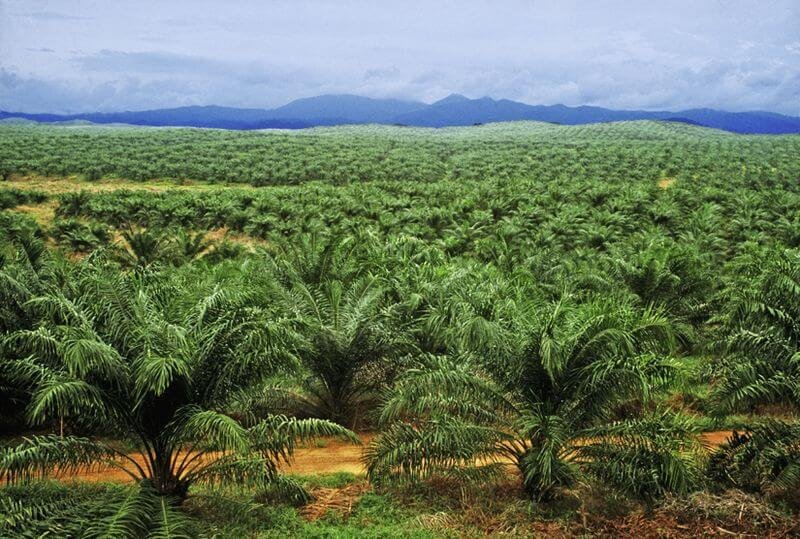

Today, the creed lighting up meetings, conference stages and supermarket shelves is regenerative agriculture (RA).
…
It has become less about agronomy and more about allegory – a story people want to believe, a sermon sprinkled with slogans, attracting investors, consultants and opportunists as eagerly as earthworms to compost.
And in Malaysia, where oil palm remains the country’s most important crop, the gap between regenerative rhetoric and estate reality could not be wider.
The truth is that oil palm’s most pressing problem is not the absence of regenerative practices but the long stagnant and recent declining yields.
Annual palm oil yields in Malaysia sit at around 3.5 tonnes per hectare, barely half the six to eight tonnes achieved in good plantation plots.



…
It is, then, a tale of two regenerations. On one side is the ideological kind: vague labels, carbon credits, consumer halos and PowerPoint promises.
On the other is the agronomic kind: the gritty, often thankless work of site-specific diagnosis, better planting materials, timely and adequate fertilisation, mechanisation and evidence-based research and development.
This is an excerpt. Read the original post here