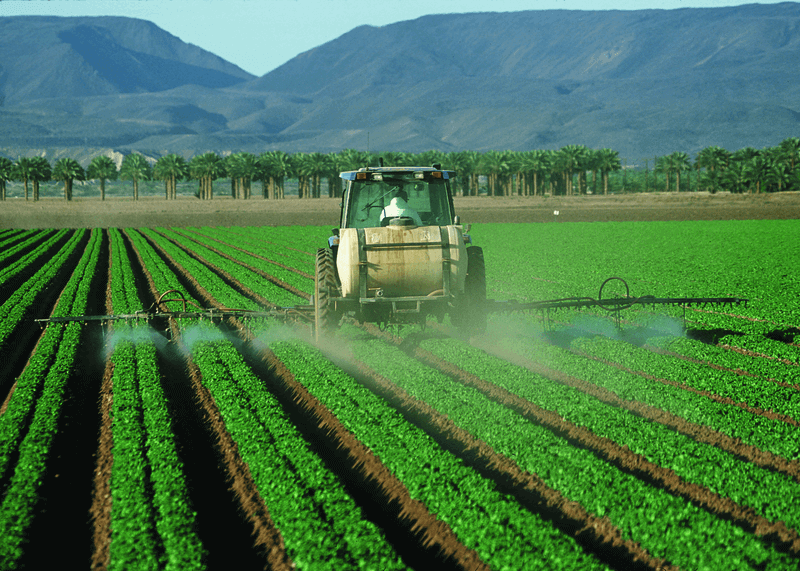

Glyphosate has played a central role in modern agriculture’s ability to increase yields, reduce labour costs and conserve soil through no-till practices. Its abrupt removal could disrupt farming systems, especially in countries that depend heavily on crop protection tools to remain globally competitive.
The controversy around glyphosate centres on claims that it causes non-Hodgkin lymphoma, yet the evidence remains inconclusive. The International Agency for Research on Cancer (IARC) classified glyphosate as “probably carcinogenic to humans” in 2015, a category that includes hot beverages and red meat.
However, regulatory bodies around the world, including Health Canada, the European Food Safety Authority (EFSA), and the U.S. Environmental Protection Agency (EPA), have consistently concluded that glyphosate poses no unacceptable risk to human health when used as directed.
Yet the courts have not been swayed by scientific consensus. They have responded to emotional testimonies and procedural arguments, producing headline-grabbing verdicts that often overlook scientific rigour. The result is a troubling precedent, one that may discourage companies from pursuing innovation out of fear of legal exposure.