Much has been written about the inherent complexity of global food systems. They shape outcomes for individuals, organizations, communities and countries.
When they work effectively, they underpin societal stability, while creating better environmental and health outcomes. …
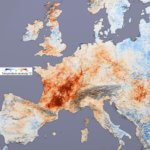
The evidence, unfortunately, suggests that many food systems around the world are coming under significant pressure and are increasingly unable to meet the needs of the communities they serve. The pressure is coming from climate change, biodiversity loss, geopolitical shifts, energy challenges and deteriorating health outcomes across society.
At the same time as the lack of resilience of global food systems has become very apparent, there has never been more technological innovation available to farmers to adopt.

…
Innovation is also offering new opportunities to reimagine the food systems interactions with biology. Whether it is through using gene-editing technologies, precision fermentation, controlled environment agriculture or better understanding of the functioning of the human microbiome, the opportunities to target production to specific functional use cases or derisk production from climate events has never been greater.