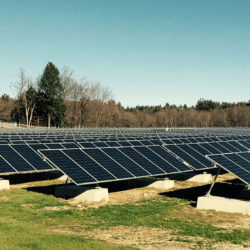
The term sustainability usually elicits ideas of a green planet, solar panels, electric vehicles, and plastic-free oceans.
However, this outlook—sustainability primarily focused on the environment—lacks a critical component that University of Georgia researchers are elevating in the realm of food systems and agriculture.
“All pillars of sustainability matter, but social sustainability can get left out of the conversation,” said Jennifer Jo Thompson, senior research scientist in the College of Agricultural and Environmental Sciences (CAES) Department of Crop and Soil Sciences.
Social sustainability is connected to food systems and agriculture at all stages—from the moment a seed is planted, through its growth cycle, to when food lands on tables, to how food waste is managed and returned to earth. Food intersects the wellbeing of people and communities, Thompson said: working conditions and pay for growers; food price and safety; access to fresh and healthy produce; the financial and mental tolls of farming; inclusivity of food markets; access to culturally-sensitive food; and how food connects people to their communities.



If you aren’t paying attention to these social issues, it undermines meaningful progress on all sustainability goals.