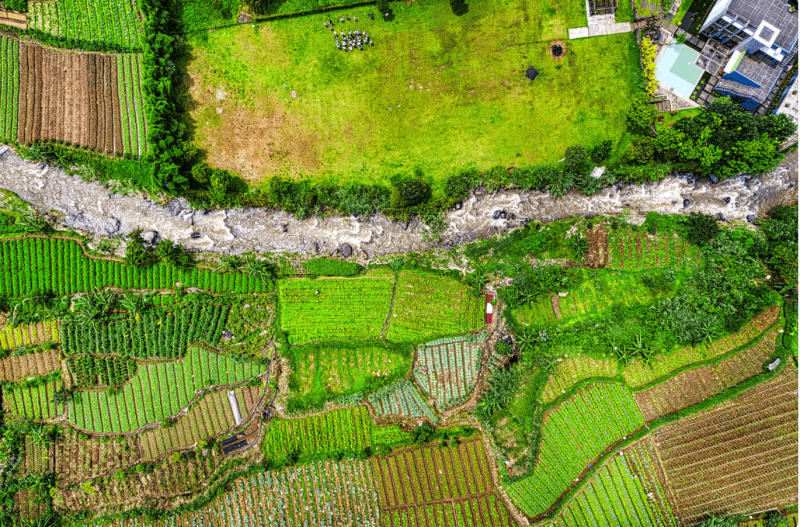

Through satellite imagery, AI can highlight where irrigation systems are drying up, spot greenhouses that weren’t there a decade ago, or flag fields suddenly off-course in their growth. In places where data is missing or lost, AI can reclaim knowledge, sometimes going back decades. With one caveat —[Dr. Sarah] Hartman stresses that AI’s power is only as good as its databank.
“AI is what it eats,” she said. “[When] we train models with rich, local and timely information, we grow AI that’s relevant to the real and pressing needs of agriculture.”
…
At its heart is co-design: working alongside the people who will use the technology—agronomists, growers, agtech companies—to ensure AI reflects real needs and builds trust.


We’re already seeing exciting initiatives at work in the field. On remote cattle stations, drones equipped with AI-driven algorithms are being trialed to automate mustering.
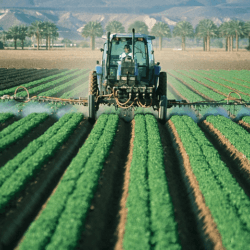
At the same time, robotics companies such as Swarmfarm are developing fully autonomous tractors that integrate multiple AI technologies. These machines hold the potential to transform field operations, though technical and scaling challenges remain.