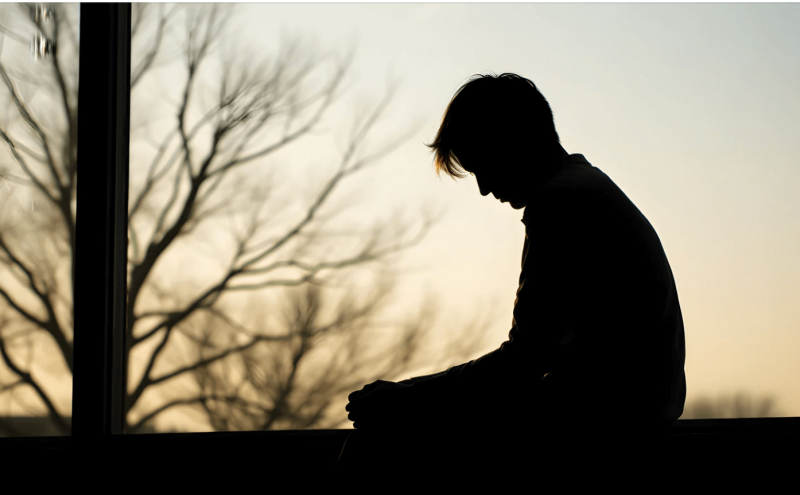

Although seasonal affective disorder (Sad) was only formally recognised by psychiatrists in the 1980s, the link between the seasons, mood and vitality has long been observed.
…
Today, scientists are rediscovering how closely tuned our biology is to the seasons. According to Dr Cathy Wyse, a chancellor’s research fellow at the University of Edinburgh, the biggest advance over the past decade “has been the realisation that seasonal changes in human mood are probably endogenous – that they’re part of our physiology”.
Large-scale resources such as the UK Biobank have transformed this area of research, allowing scientists to track seasonal patterns across hundreds of thousands of people over many years – something that was previously impossible.





The triggers of these changes are still being investigated, but they are almost certainly linked to reduced daylight. Light is the key regulator of our internal body or circadian clock, influencing the timing of hormone release, alertness and mood.
Some people may be more sensitive to this shift than others.