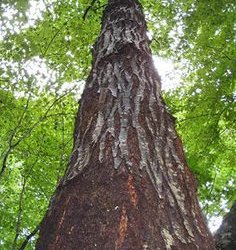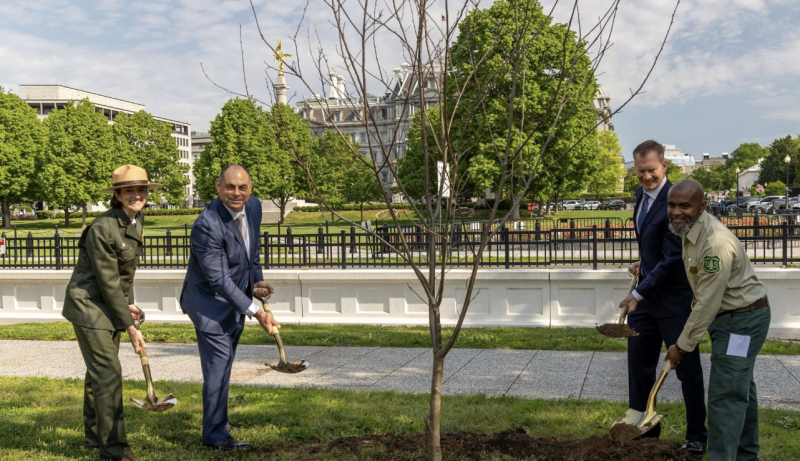

Two genetically engineered American chestnut trees planted near the White House this spring have reignited a decades-old fight over how to bring back a species blight wiped out a century ago, as The Washington Post’s Jake Spring reports. The trees, a blight-resistant variety called Darling 54 carrying a single wheat gene, prompted the USDA to deregulate the variety last week — the first time a “forest tree,” rather than a farmed crop, has cleared that bar.
Not everyone’s celebrating. Internal documents reviewed by the Post suggest staff failed to contain the trees’ pollen as required under their USDA permit, raising the chance the transgenic wheat gene drifted to wild chestnuts nearby. “We are in uncharted territory,” says Michael Hansen, a senior staff scientist at Consumer Reports, warning that ecosystem effects “you don’t know until you do those studies.” American Chestnut Foundation president Michael Goergen worries about “contamination of the gene pool” — a rift that split his group from the tree’s academic developers in 2023. Still, SUNY ESF’s Andrew Newhouse calls the deregulation “huge,” the first time biotech has cleared this bar for conservation rather than agriculture.