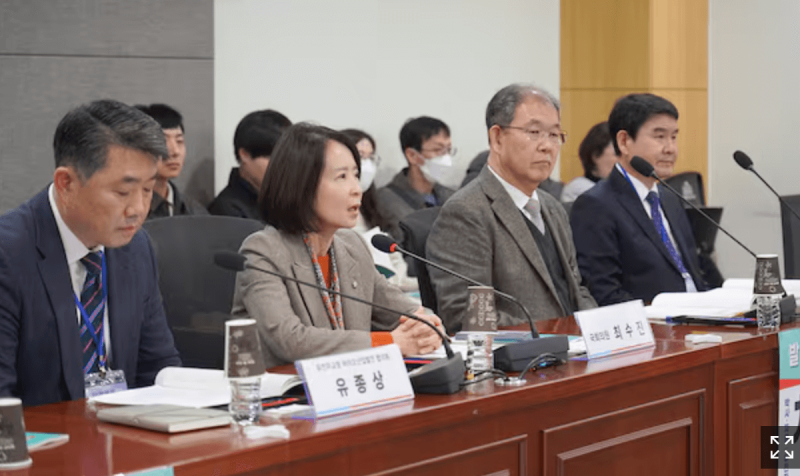
At a policy seminar where Korea’s science community, agriculture sector and government gathered to discuss regulatory reforms for gene editing (GEO) technology, participants repeatedly said that “Korea has technological competitiveness but lags major countries in the speed of commercialization.”
…
[Ko Sang-eok, a pig specialist veterinarian,] cited the world’s first pig resistant to porcine reproductive and respiratory syndrome (PRRS) as an example, saying, “The United States has approved the commercialization of the pig, and major countries in Europe and Asia are also expected to approve it,” and added, “Even if Korea starts now, it will inevitably be at least 10 years behind.”
The situation is similar in crops. Choi Seong-hwa, a professor in the Department of Biological Sciences at Seoul National University, explained that vitamin D-fortified tomatoes being co-developed with Bayer are expected to be sold worldwide in 2028, but Korea classifies GEO as GMO, so both domestic cultivation and sales are banned.

Professor Choi urged regulatory improvements, saying that if the GEO industry opens, a market worth tens of trillions of won will emerge in food and essential goods. He added, “The biggest victims right now are farmers” ….