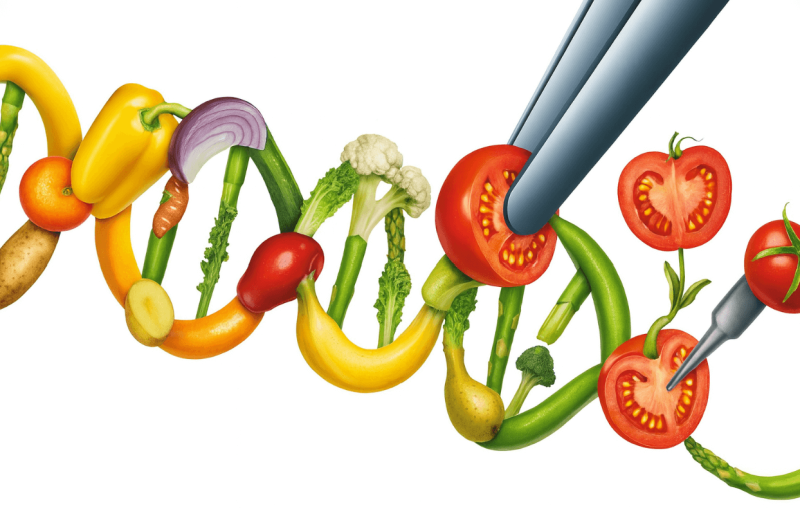
Most people have no clue how gene edited could tweak crops, but when the benefits are clear, they are receptive

Consumers are far more open to gene-edited foods when the benefits are personal, values-driven and clearly explained, according to recent research from The Center for Food Integrity (CFI) and FMI – The Food Industry Association.

Follow the latest news and policy debates on sustainable agriculture, biomedicine, and other ‘disruptive’ innovations. Subscribe to our newsletter.

“People like the idea that we’re going to use fewer antibiotics in animal agriculture, they like the idea that fewer animals are going to be sick and fewer animals are going to suffer” and “those benefits obviously carried enough weight with consumers that they said, we support this,” [Charli Arnot] explained.

For [Consumer Packaged Goods] brands, the research highlights the importance of leading with benefits rather than technology. Shoppers respond to clear value like less waste, better nutrition, stable prices or healthier animals. As Arnot said, consumers “focus on what the technology can do” in addition to “the benefits that it will deliver.”


This is an excerpt. Read the original post here

{{ reviewsTotal }}{{ options.labels.singularReviewCountLabel }}
{{ reviewsTotal }}{{ options.labels.pluralReviewCountLabel }}
{{ options.labels.newReviewButton }}
{{ userData.canReview.message }}

Related Articles

Infographic: Global regulatory and health research agencies on whether glyphosate causes cancer

Infographic: Global regulatory and health research agencies on whether glyphosate causes cancer

Does glyphosate—the world's most heavily-used herbicide—pose serious harm to humans? Is it carcinogenic? Those issues are of both legal and ...

Most Popular

Screenshot-2026-04-12-135256
Bixonimania: The fake disease scam that AI swallowed whole
Screenshot-2026-05-01-at-1.29.41-PM
Viewpoint: What happens when whole grains meet modern food manufacturing? Labels don’t tell the whole story.

Sorry. No data so far.

glp menu logo outlined

Get news on human & agricultural genetics and biotechnology delivered to your inbox.