
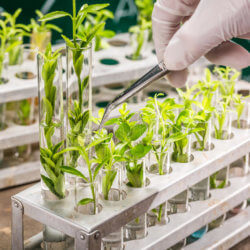
In recent years, there has been a need for the rapid development of new varieties to address the negative constraints imposed, especially by climate change. Thus, the traditional breeding process, which typically takes 10-15 years, had to be shortened. Considering this, the Gene Editing method (New Breeding Technique = NBT), which won its discoverers the Nobel Prize in the 2010s, has significantly reduced the breeding duration. In these methods, there is no transfer of external genes as seen in GMOs. Instead, the focus is on silencing the targeted gene using temporary DNA-cutting enzymes, enhancing and reducing its effects, essentially subjecting it to micro-mutation.
The EU Commission, Parliament, and Council, with a new political decision they made together, are treating plants obtained through NBT not as GMOs but like standard plants, which brings a series of advantages from registration to labeling. Until now, this method, which has been applied outside of the EU for years, will enable more innovative plant breeding within the EU; consequently, farmers will be able to cultivate plants that are more resilient to climate change, and producers will practice agriculture with fewer resources, fertilizers, and pesticides, making it more sustainable. This situation will empower breeders and farmers to be more competitive internationally and will provide a level playing field with producers from other countries. The new measures will ensure high safety standards for NGT plants and products while significantly reducing administrative burdens.
Genotypes developed using this method in the EU have been treated similarly to genetically modified organisms (GMOs) in registration processes. Under pressure from various groups, the EU is making regulatory changes regarding the registration of varieties developed under NBT at the beginning of 2024. First, the developed varieties were grouped into two categories. Varieties bred using gene editing methods that cannot be distinguished from classic varieties were placed in Category 1, while those with any detectable differences were added to Category 2. Varieties in Category 1 do not require health and environmental tests for registration, nor do they need a label indicating they were developed through gene editing on their packaging. In contrast, Category 2 varieties must undergo health and environmental tests for registration and must carry a label indicating they were developed through gene editing on their packaging. Thus, the decision concerns plants classified under Category 1, meaning that varieties developed through gene editing can be used in organic farming.
This implementation will provide numerous advantages to various sectors: For example:
Farmers: A broader choice of plant varieties, lower costs due to reduced use of natural resources, pesticides, and fertilizers
Consumers: A wider range of products, improved nutrition, and a decrease in undesirable substances such as pesticides
Researchers and Plant Breeders, including SMEs: More legal clarity and additional tools to increase breeding speed and precision, along with easier access to funding and markets
Food systems and Environment: Climate resilience, conservation of natural resources, lower emissions, reduced food waste, and increased food security


Bioeconomy: New opportunities for the production of biomass and high-value industrial compounds
When a disease or pest-resistant apple variety is bred: the development time can be reduced from 15-50 years to 5-8 years; pesticide use may decrease by 1-9%; and overall costs can be reduced by 25%.
This decision will be formally approved by the Council and the European Parliament following its publication in the official gazette.
Türkiye is not far behind in the use of gene editing in plant breeding. Both the public and private sectors, as well as universities, have developed projects in this area, and some projects are nearing completion. Despite having numerous researchers utilizing this technology, there is a struggle to find potential partners in the private sector. Such studies require collaborative efforts in both laboratory and field settings. At this stage, there is a need for written and verbal media to raise awareness about the legal framework of the subject. Naturally, the enlightening and guiding contributions of agriculture writers, seed industry associations, and especially the Presidential Council on Agricultural and Food Policies are also important. Of course, we should not delay addressing the relevant regulations!
A version of this article was originally posted at No Chance to Food Crisis and is reposted here with permission. Any reposting should credit both the GLP and original article. Find Nazimi Acikgoz on X @nazimiacikgoz