Outside the boundaries of modern science? Gene editing opens the door to treat rare diseases 

Screenshot 2025-12-15 at 3.10.47 PM

Fyodor Urnov, the scientific director of UC Berkeley’s Innovative Genomics Institute (IGI), showed me a list of rare diseases and pointed to one carried by only 50 people. “Who’s going to work on a disease with 50 patients?” he asked. … Drug developers have little financial incentive to spend years and millions of dollars designing therapies that may need to be tailored to literally one person.

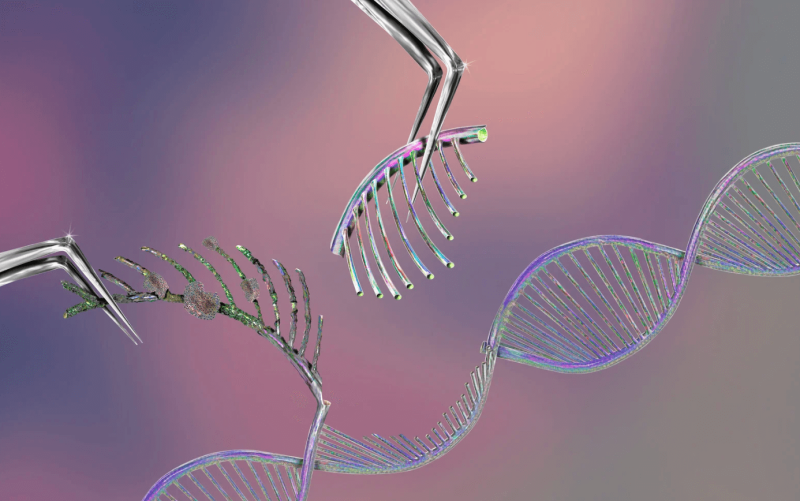
The technology is ready to treat at least some of these diseases, though. … If researchers could build one CRISPR platform for a single disease, or even several similar ones, and tweak that template to suit each patient, they could target extremely rare disorders more quickly and economically.

Follow the latest news and policy debates on sustainable agriculture, biomedicine, and other ‘disruptive’ innovations. Subscribe to our newsletter.

The new pathway opens the door to the platform approach that scientists have hoped to take. If researchers could prove they’d successfully treated a small number of patients for one rare genetic disease, they could continue customizing treatments for other mutations, and potentially also for similar conditions. That streamlined process could finally attract for-profit players ….


This is an excerpt. Read the original post here

{{ reviewsTotal }}{{ options.labels.singularReviewCountLabel }}
{{ reviewsTotal }}{{ options.labels.pluralReviewCountLabel }}
{{ options.labels.newReviewButton }}
{{ userData.canReview.message }}

Related Articles

Infographic: Global regulatory and health research agencies on whether glyphosate causes cancer

Infographic: Global regulatory and health research agencies on whether glyphosate causes cancer

Does glyphosate—the world's most heavily-used herbicide—pose serious harm to humans? Is it carcinogenic? Those issues are of both legal and ...

Most Popular

ChatGPT-Image-Jul-8-2026-12_32_48-PM
Viewpoint: SCOTUS strikes a blow against junk science in Bayer glyphosate case. Will it deter mass tort litigators?
ChatGPT-Image-Mar-10-2026-01_39_01-PM
Viewpoint—“Miracle molecule” debunked: Why acemannan supplements don’t work
Screenshot-2026-07-08-at-9.36.03-AM
Viewpoint: Long-contained diseases are on the rise in the U.S. Are Trump cuts to blame?
afb-a-b
As the EU loosens restrictions on agricultural gene editing, it remains years behind the rest of the world on equally-safe GMO foods
Viewpoint: Consensus as truth? How ‘misinformation police’ control policy narratives
Which among war, weather and cyber attacks is the biggest world threat? None of the above. It’s misinformation, and here’s why.
c9f0a584-46e9-4dd8-9a77-f5f5a7a51a84
Across Eastern Europe, science disinformation has spread far beyond COVID and vaccine denialism. Here’s the grim list.
Screenshot 2026-07-11 100209
Viewpoint: Supplements to clean your liver? Not a good idea.
ChatGPT-Image-Jul-7-2026-01_57_55-PM
Viewpoint: Europe’s rejection of air conditioning is the poster child for misunderstanding how to mitigate the impact of climate change
ChatGPT-Image-Jun-25-2026-12_23_17-PM
No, Bill Gates did not secretly engineer ticks to promote veganism
Gemini_Generated_Image_gabo48gabo48gabo
Viewpoint: A plastic surgeon on why banning gender-transition surgery without further research is wrong and harmful
ChatGPT-Image-Jul-1-2026-03_33_49-PM
‘Alternative’ cancer treatments that could kill you
ChatGPT-Image-Jul-1-2026-12_37_08-PM
Viewpoint: Trump poised to politicize all U.S.-supported science research
Screenshot-2026-07-10-at-3.10.50-PM
Snake-oil cures throughout history
glp menu logo outlined

Get news on human & agricultural genetics and biotechnology delivered to your inbox.