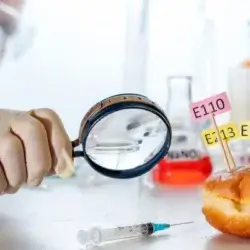

Often, we’re given a choice between certain things – such as foods, medicines or procedures – that are deemed natural, and alternatives that are considered synthetic or artificial, where the term ‘natural’ denotes the absence of additives or other forms of human intervention. Here, too, the affinity for nature might help us some of the time. But it can also badly lead us astray.
… A strong version of the pro-natural attitude seems to be evident in the ‘Make America Healthy Again’ movement led by the US health secretary Robert F Kennedy Jr, and similar populist movements, with their advocacy of what they call ‘natural’ medicines and foods, and their scepticism of some artificial or human-made interventions, such as vaccines.
It’s easy to bring to mind … situations where the naturalness bias could lead to misguided choices. People might needlessly pay more for the same kind of product when it’s described as ‘natural’.
…
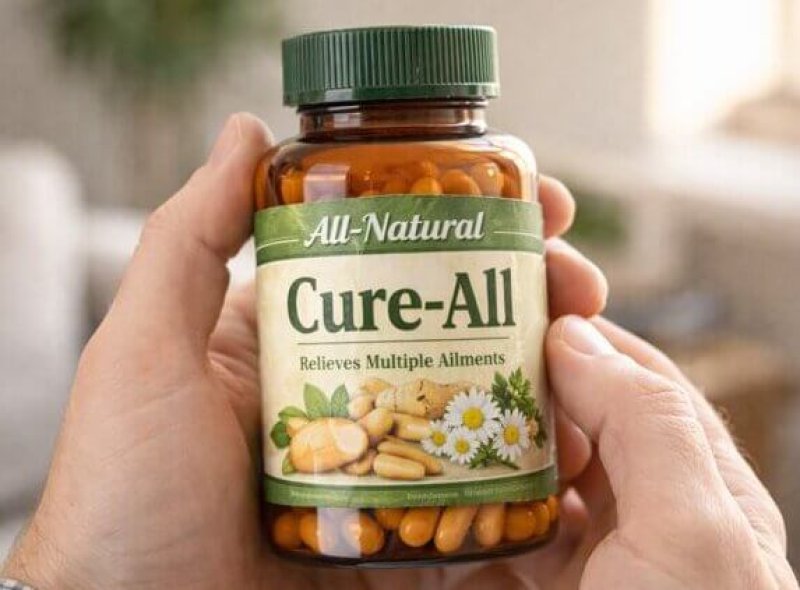
Our research suggests the naturalness bias could also influence much more consequential decisions. … A patient might be less likely to consider taking a life-saving drug because it’s synthetic, relying instead on remedies that are natural but ineffective. …