France launches 4-part plan to counter health disinformation 

ChatGPT Image Feb 9, 2026, 03_27_28 PM

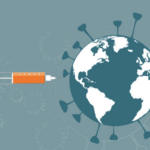
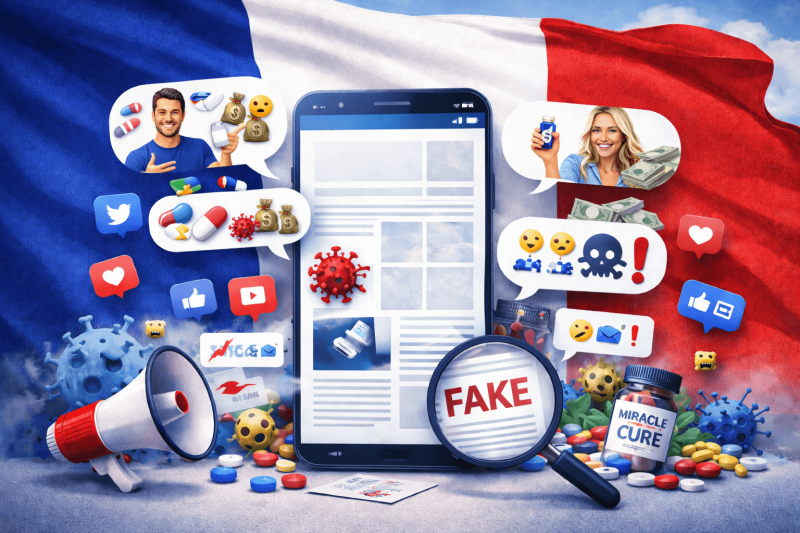
Faced with the rapid growth of information channels, the rise of social networks, and the virality of false or misleading content, France’s health minister, Stéphanie Rist, has announced the launch of a “national strategy to combat health disinformation.”

The strategy is based on findings from the report titled “Health Information: Strengths and Weaknesses Analysis and Recommendations for a National Health Information and Anti-Disinformation Strategy” ….

Follow the latest news and policy debates on sustainable agriculture, biomedicine, and other ‘disruptive’ innovations. Subscribe to our newsletter.

The report highlighted three major weaknesses in the general population that make them vulnerable to disinformation:

  1. Insufficient scientific education
  2. Lack of critical thinking regarding information sources
  3. Disruptions caused by digital technology in how information is consumed

Thus, “social media is the main source of information for half of 15- to 30-year-olds (53%), particularly Instagram, TikTok, and YouTube, where content arrives unfiltered, driven by algorithms that favor emotion and quick reactions at the expense of facts and reflection.”

Minister Rist, addressing these recommendations, announced the launch of her plan in four areas.

  1. Listening and Citizen Consultation
  2. Establishing a Health Disinformation Observatory
  3. Health Information Monitoring System
  4. Building a Foundation of Trust

This is an excerpt. Read the original post here

{{ reviewsTotal }}{{ options.labels.singularReviewCountLabel }}
{{ reviewsTotal }}{{ options.labels.pluralReviewCountLabel }}
{{ options.labels.newReviewButton }}
{{ userData.canReview.message }}

Related Articles

Infographic: Global regulatory and health research agencies on whether glyphosate causes cancer

Infographic: Global regulatory and health research agencies on whether glyphosate causes cancer

Does glyphosate—the world's most heavily-used herbicide—pose serious harm to humans? Is it carcinogenic? Those issues are of both legal and ...

Most Popular

ChatGPT Image May 26, 2026, 08_42_17 AM (1)
Viewpoint: Greenpeace and poison: How environmental advocacy groups rely on compliant (and often ignorant) journalists to spread disinformation and spark litigation
Screenshot 2025-07-30 at 10.48
Can gene editing eliminate Down syndrome? Scientists have done it in lab-grown cells
Screenshot-2026-05-28-at-1.36.28-PM
Viewpoint: Can mRNA research survive the Trump administration?
Screenshot 2025-11-18 at 3.45
Viewpoint—GMOs and sustainability: Why buying organic foods is the least environmentally-sensitive food choice—without offering any health benefits
Screenshot-2026-06-02-at-11.59.11-AM
Magnifica Humanitas: Pope’s encyclical broadside against AI naivete and overreach
ChatGPT-Image-May-26-2026-07_51_21-AM-2
Viewpoint: There are more than 1,000 chemicals in a cup of coffee—including many substances that can cause cancer. Why isn’t it banned?
ChatGPT-Image-Jun-2-2026-11_39_58-AM
Viewpoint: Who is RFK, Jr.’s newly-appointed CDC senior counselor, Sara Brenner — Vaccine skeptic and self-proclaimed “MAHA mom”
Picture1
Sounds we can’t hear — the hidden planetary signals behind science, fear, and misinformation
ChatGPT Image May 28, 2026, 08_16_38 PM
Viewpoint: Why the EPA mismeasures cancer risk of chemicals and what should be done to fix it
Screenshot-2026-04-14-at-11.11.06-AM
‘Turbo cancer’ or mRNA cancer cure? Strategies to counter misinformation
glp menu logo outlined

Get news on human & agricultural genetics and biotechnology delivered to your inbox.