From the perspective of mainstream scientific medicine, the choice between vaccination and potentially fatal diseases seem obvious. So are religious motivations an attempt to cover for cultural or political motives, personal rationalizations, or misinformation? What, exactly, is “religious” about refusing vaccination?
The answer matters not only because the Constitution protects religious free exercise but also because understanding others’ perspectives is important for humanizing people with whom we disagree and, thus, having more productive idea exchanges.
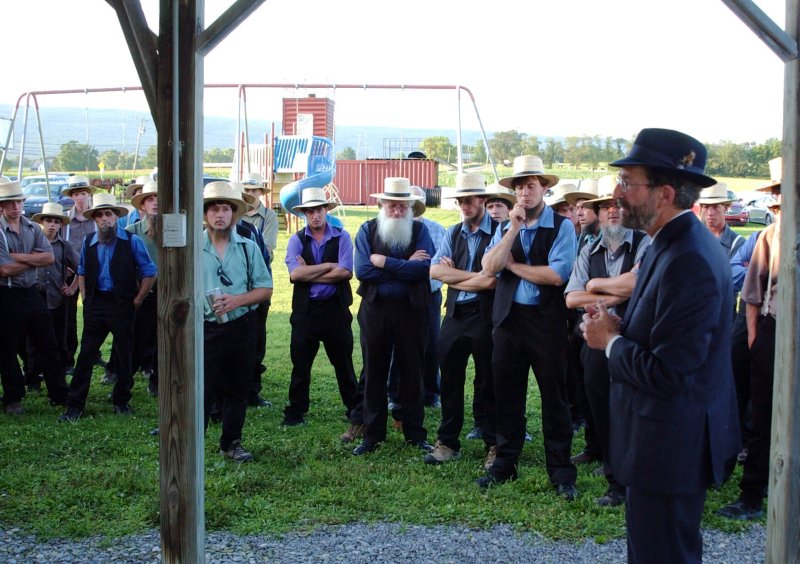
Religiously informed vaccine hesitancy goes beyond Amish, Mennonites, and ultra-Orthodox Jews. In a recent study, co-authors and I found that evangelical Protestant presence in counties is associated with under-vaccination for Covid-19, while mainline Protest and Catholic presence was associated with higher vaccination rates.
…

Health professionals must continue cultivating awareness of how some religious objections will be beneath the surface — difficult even for adherents to articulate — but nonetheless legitimate and motivating. Swift legal action to mandate interventions could backfire. Even then, constitutional protections of religious free exercise remain important to society’s civil liberties on the whole, even the project of science.