
Can and should we resurrect animal species that have been extinct for thousands of years? Such weighty, existential questions were once the preserve of science fiction but are now being played out within an unassuming brick building in a Dallas business park.
Colossal Biosciences … has provoked a stampede of acclaim as well as denunciation after announcing last year it had made the dire wolf, a species lost from the world for more than 10,000 years, “de-extinct” via the birth of three new pups.
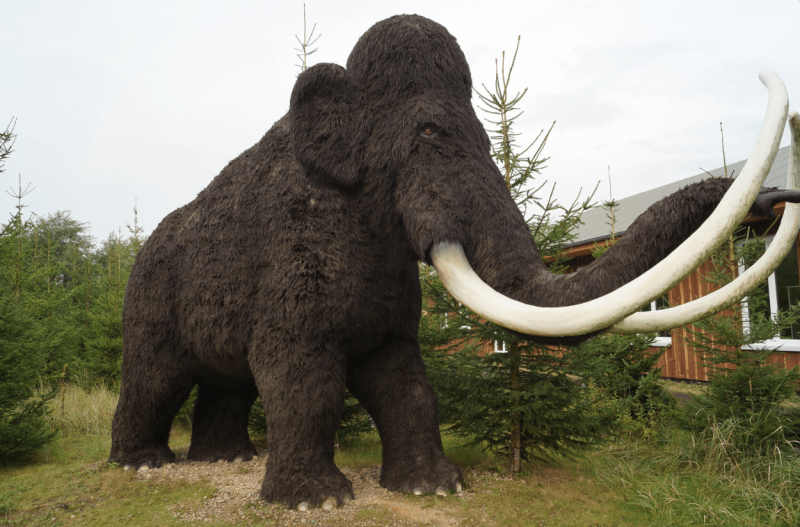
The company said it will also bring back the woolly mammoth within the next two years, to be followed by that totem of extinction, the dodo. Colossal is doing this by sourcing ancient DNA from fossils and gene editing, making analogies with Jurassic Park easy to conjure. It’s a comparison that Colossal’s chief executive, Ben Lamm, doesn’t shy away from.
But there are scientists who doubt whether this is de-extinction at all, with some damning Colossal as an empty generator of hype and little else. “They made genetically modified gray wolves, not dire wolves – to say they are dire wolves is entirely arrogant,” said Vincent Lynch, an expert in evolutionary developmental biology at the University at Buffalo. “You can’t put a mutation into a related species and call that thing the extinct thing. You can’t bring things back in the way Colossal are doing it.”
 ’This kind of hype is toxic’: Dissecting exaggerated claims by Colossal Sciences that it resurrected a dire wolf and the bungled reporting that followed
 Science explainer: We may not resurrect dinosaurs but other extinct animals likely to be revived
 De-Extinction: If we’re being honest, it is a bit like Jurassic Park



This is an excerpt. Read the original post here