EU bureaucrats are finally catching up to the gene editing revolution in food and agriculture

eu-farming-policy

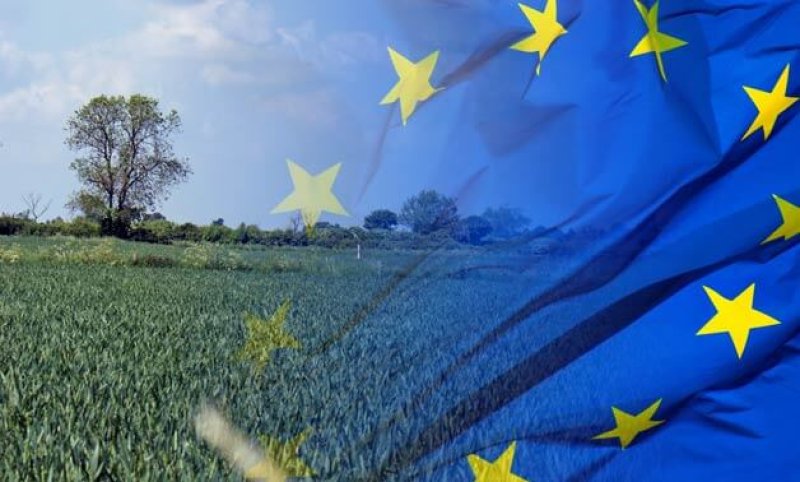
For decades, “Made in Europe” has been synonymous with a hard-line stance against anything remotely resembling genetic modification. But the tide’s turning, and it’s turning fast!

I’m pleased to finally see this shift because, frankly, the old rules were a relic of the past. They didn’t just hinder innovation; they held back our ability to build a truly resilient food system. The regulation was formally adopted on June 17, 2026, and will enter into force 20 days after publication in the EU Official Journal, becoming fully applicable approximately mid-2028. But here’s the problem… [Many] think “Gene-Editing” is still a dirty word in Brussels, held back by onerous Novel Foods and GMO legislations.

Let me tell you, that’s a dangerous assumption.

Follow the latest news and policy debates on sustainable agriculture, biomedicine, and other ‘disruptive’ innovations. Subscribe to our newsletter.

Something doesn’t quite add up if you’re still planning your 2030 supply chain based on 1990s regulations. The new NGT (New Genomic Techniques) rules are about to disrupt everything you know about sourcing, labelling, and sustainability. Just think about this for a minute; what happens when your competitors start sourcing climate-resilient, nutrient-dense wheat that doesn’t carry a “GMO” label, while you’re still stuck in the old-world supply chain?

This is an excerpt. Read the original post here

{{ reviewsTotal }}{{ options.labels.singularReviewCountLabel }}
{{ reviewsTotal }}{{ options.labels.pluralReviewCountLabel }}
{{ options.labels.noReviewsLabel }}
{{ options.labels.newReviewButton }}
{{ userData.canReview.message }}

Related Articles

Infographic: Global regulatory and health research agencies on whether glyphosate causes cancer

Infographic: Global regulatory and health research agencies on whether glyphosate causes cancer

Does glyphosate—the world's most heavily-used herbicide—pose serious harm to humans? Is it carcinogenic? Those issues are of both legal and ...

Most Popular

ChatGPT-Image-Jul-26-2026-05_58_17-PM
Louisiana and Texas bring RFK,Jr.- MAHA-backed restrictions on dyes and other ‘controversial’ ingredients to eight states
ChatGPT-Image-Jul-26-2026-05_35_53-PM
FDA takes up peptide therapies as hype outpaces science
ChatGPT-Image-Mar-10-2026-01_39_01-PM
Viewpoint—“Miracle molecule” debunked: Why acemannan supplements don’t work
organic scaled
Facts & Fallacies podcast: Organic food cuts pesticide exposure? A response to Dr. Rhonda Patrick
ChatGPT-Image-Jul-9-2026-11_33_49-AM
Viewpoint: High-dose resveratrol supplements to extend health and life? Don’t waste your money.
ChatGPT-Image-Jul-22-2026-09_13_07-AM
Viewpoint—The Strategic Litigation boom: Understanding the tightening coalition among NGOs, foundations, journalists, and tort lawyers
ChatGPT-Image-Jul-10-2026-09_42_12-AM-1
Peptides, patient autonomy, and the limits of medical freedom
Screenshot-2026-07-23-at-11.58.47-AM
Viewpoint: ‘Thought police in the UK?’ Conservatives lash out at government report calling anti-LGBQT+ narratives ‘false and misleading’
IVF Rex
Poll: Younger people more open to using genetics to increase fertility and reduce chances of inherited diseases 
How to Include More Strawberries in Your Diet
Strawberries are berries—and 35 other surprising food and drink myths
Screenshot-2026-07-07-at-12.55.44-PM
Viewpoint: Yes, we can adapt to a changing climate without devastating the environment and the economy
ChatGPT-Image-Jun-25-2026-12_23_17-PM
No, Bill Gates did not secretly engineer ticks to promote veganism
ChatGPT-Image-May-22-2026-10_26_09-AM
Trump-RFK, Jr. National Science Board firings: Accountability vs. partisan meddling
glp menu logo outlined

Get news on human & agricultural genetics and biotechnology delivered to your inbox.