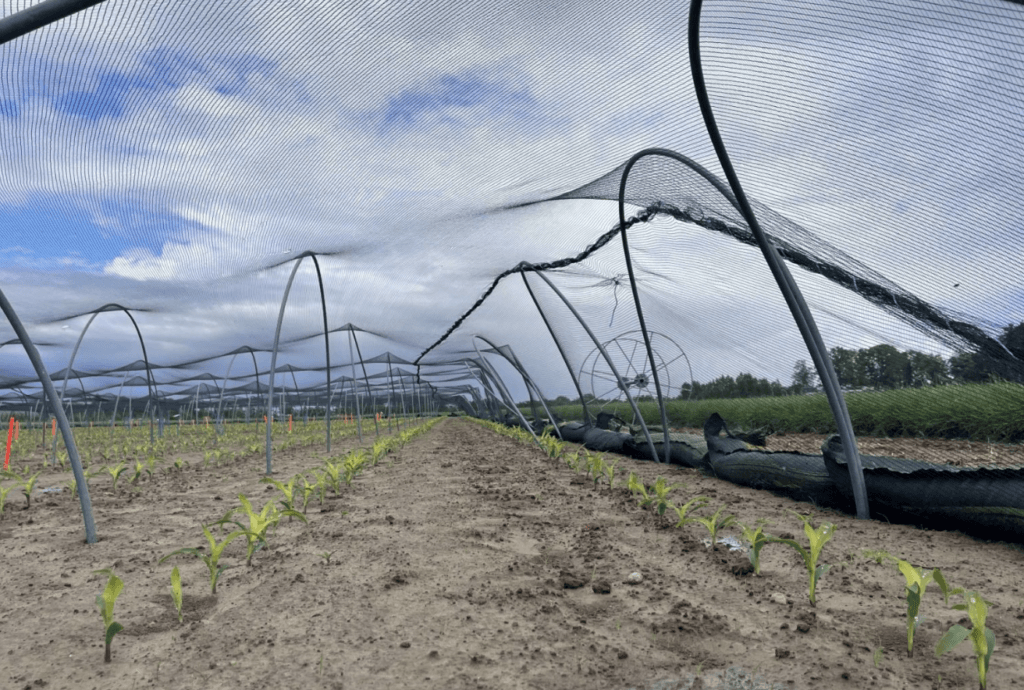
To reach the experimental maize field, visitors first pass through a locked gate tucked between a railway line, a motorway and a school. The entire site is enclosed by fencing.
The location – Wetteren, on the outskirts of Ghent – is public by law, explains Hilde Nelissen, a plant biotechnologist at Ghent University. But it is not meant to be easy to access.
“You either know the code, or you’re trespassing,” she says.
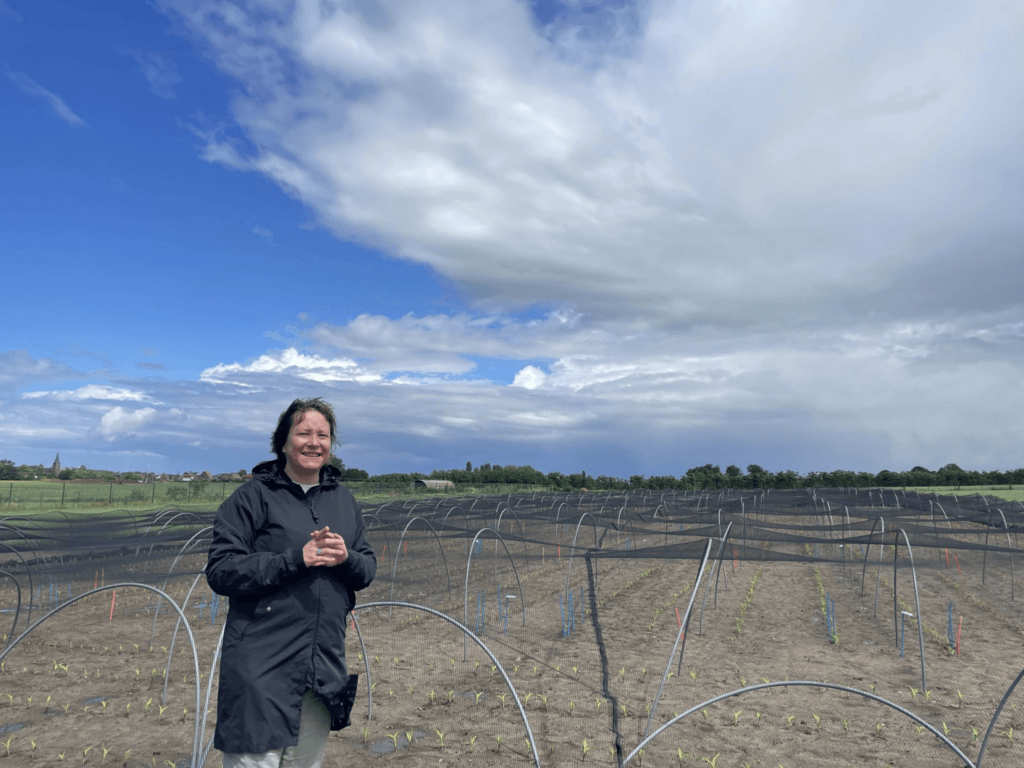
Beyond the fence, neat rows of young maize plants barely rise above the soil. They look unremarkable. Yet small plots of land like this have been at the centre of one of Europe’s fiercest debates over agricultural biotechnology for years.
The maize is engineered using CRISPR-Cas9, a gene-editing tool whose co-developers were awarded the 2020 Nobel Prize in Chemistry.
Often described as “molecular scissors” and, in EU jargon, classified as a New Genomic Technique (NGT), CRISPR-Cas9 belongs to a new generation of breeding technologies that allow scientists to make precise changes to DNA.
Unlike traditional genetic modification – used in most genetically modified organisms (GMOs), typically involving the introduction of DNA from another species – some NGTs allow “editing” of an organism’s DNA without introducing foreign genetic material.
The EU’s GMO rules, adopted in 2001 before these techniques existed, made no distinction between them. In 2018, the EU’s top court ruled that NGTs should be regulated under the same strict rules as traditional GMOs, leaving them largely confined to research plots. Spain remains the only EU country to grow a GMO crop for the market, cultivating insect-resistant maize.
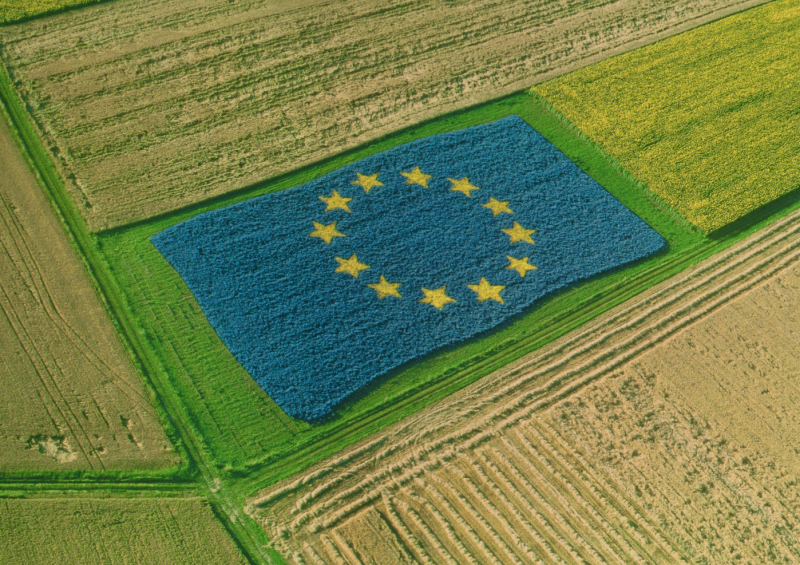
That may soon change. After years of political wrangling, the EU is set to relax its rules. Under the new framework, which will be fully implemented from 2028, plants obtained with certain NGTs and involving limited genetic changes will be regulated in the same way as conventionally bred varieties.
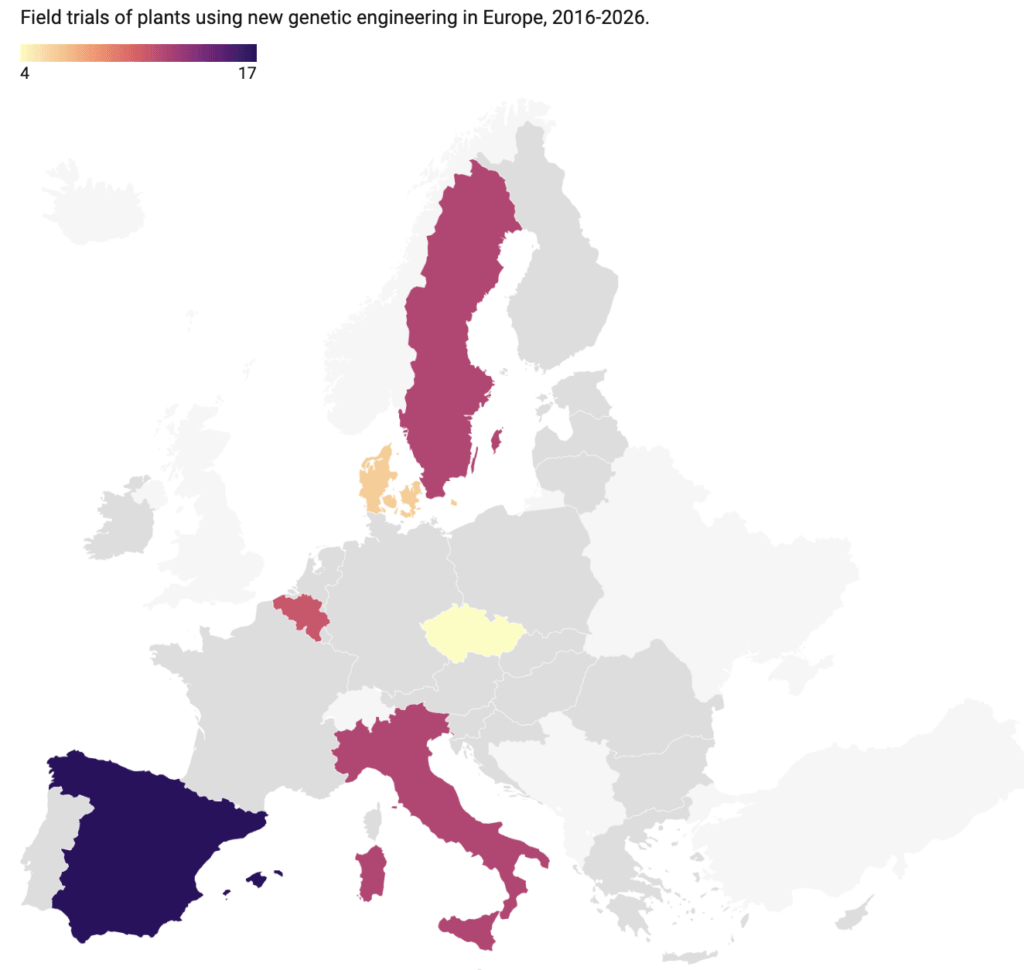
EU researchers, especially in Belgium, Italy, Spain and Sweden, are eagerly awaiting the reform.
A decade of trials
Scientists like Hilde are studying traits that could eventually make crops more resilient and productive – felt as increasingly urgent as extreme weather becomes more frequent. Belgium, in particular, has endured a start of the summer marked by heavy rainfall and sharp temperature swings.
Pointing to a neighbouring control plot of conventional maize surrounded by puddles, which she uses as a comparison, Hilde explains why the plants have turned pale. “They are so yellow because of [weather] stress,” she says.
Her gene-edited maize has also been exposed to the same erratic weather, but the plants are coping noticeably better.
A controversial technology
EU policymakers haggled for years over whether gene-edited crops should be treated differently from GMOs, and the controversy was not confined to Brussels.
Scientists like Hilde have to grow genetically modified crops behind fences, lest they be destroyed by opponents. In 2011, activists broke into the same field where Hilde is now conducting her maize experiment and destroyed a GMO potato trial, also run by Ghent University. The action was organised by the Belgian “Field Liberation Movement”.
Like similar groups across Europe, including France’s Faucheurs Volontaires, the activists protested what they saw as a technology that could disrupt ecosystems and strip farming of its “traditional” roots.
Hilde’s own trials have not escaped attention.
A few years ago, someone cut through the fence surrounding the trial site. “We could follow the footsteps to our field trial,” she recalls while walking along that very same path. “They were going around and back out, so it’s clear that they knew where it was.”
To her relief, nothing was damaged. “You can protest,” she says. “But not destroy.”
A farmer’s daughter
For Hilde, who has spent more than two decades studying plant biology, gene-editing is anything but threatening. “If I was allowed, I would plant NGTs in my garden,” she quips.
She quickly dismisses any concerns over the technology’s safety, noting that people have unknowingly eaten genetic mutations for centuries.




Several hundred years ago, carrots were predominantly purple or white. “At a certain point society decided we like orange carrots, and they need to be straight,” she says. “That only occurred because there were changes in the DNA.”
But the scientist’s connection to farming is also deeply personal.
She grew up in Flanders, where her late father ran a mixed farm, raising cattle and growing crops. Eventually, however, he left agriculture as increasing mechanisation forced him to decide whether to invest heavily in expensive new equipment.
This decision, according to Hilde, reflects a broader transformation of European farming, which is no longer the “romantic profession” that many imagine.
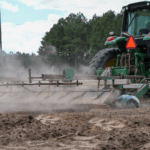
“Agriculture today is machines, big infrastructure and big tractors,” Hilde says. While she would love to see more people grow their own food, she acknowledges that modern food production simply cannot rely on backyard gardens.
The patent debate
NGTs are treated as conventional crops in countries including Australia, the US, Canada, Brazil, China and India.
In Europe, the fiercest debate surrounding NGTs was not so much whether they are safe. Despite concerns about traceability and labelling, the key sticking point was who would own the technology.
Relaxing the EU’s rules would make it easier for companies to commercialise gene-edited crops carrying valuable traits such as drought tolerance or pest resistance, many of which could be protected by patents.
Critics worry that this could strengthen the dominance of the world’s largest agricultural companies, harming farmers and small breeders, who could eventually be forced to pay royalties for traits that may also arise naturally.
These concerns nearly derailed the negotiations in Brussels.
The European Parliament pushed until the eleventh hour for stronger safeguards limiting patents on NGT plants. In the end, those proposals were dropped to preserve the broader agreement.
While keen on the technology, Hilde understands both sides of the argument.
“The scientist in me believes patents are necessary,” she said, arguing that companies investing heavily in research need a way to recover those costs.
But she draws a distinction between her professional and personal views.
“I’m not a patent lawyer; I’m a plant scientist,” she says. “Hilde the person is not in favour of patents. Hilde the scientist thinks patents drive innovation.”
Sofia Sanchez Manzanaro is an agrifood journalist for Euractiv and a journalist at the EU agri-food policy hub. Find Sofia on X @sofiamazzanaro
Maria Simon Arboleas is an agrifood and fisheries reporter for Euractiv. Find Maria on X @msimonarboleas
A version of this article was originally posted at Euractiv and has been reposted here with permission. Any reposting should credit the original author and provide links to both the GLP and the original article. Find Conversation on X @Euractiv