Scientists at Southern Illinois University Carbondale have found a way to turn plastic bottles and crop waste into protein-rich cookies, an unlikely fix for feeding astronauts on long missions, reports Hannah Devlin for The Guardian.
From plastic bottle to protein
The team’s NASA- and NSF-funded process breaks down PET plastic and crop waste, then feeds it to genetically engineered yeast that ferments the material into proteins, fats, vitamins and flavor compounds — ingredients for 3D-printed snacks the team calls μBites.
“Plastic is carbon and food is carbon,” said Lahiru Jayakody, the SIU Carbondale microbiologist behind the project, presented this month in a talk at the American Chemical Society’s fall meeting in Chicago. He warned that food demand could rise up to 56% by 2050, adding: “the way to address that, I believe, is by using microbes.”
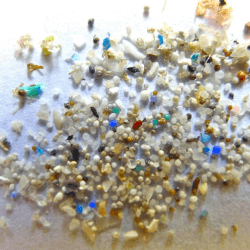

But not everyone is convinced. Jason Hallett, a chemical engineer at Imperial College London, noted that with 400 million tons of plastic waste produced yearly, “you’re not going to turn it all into cookies.” The cookies cost about $60 a kilogram, and human taste tests are still pending. However, if they pass, μBites could reach Mars-bound astronauts within years.
|
Related on the SLP
Plastic waste as food? Microorganisms may one day be able to feed a growing world population
|