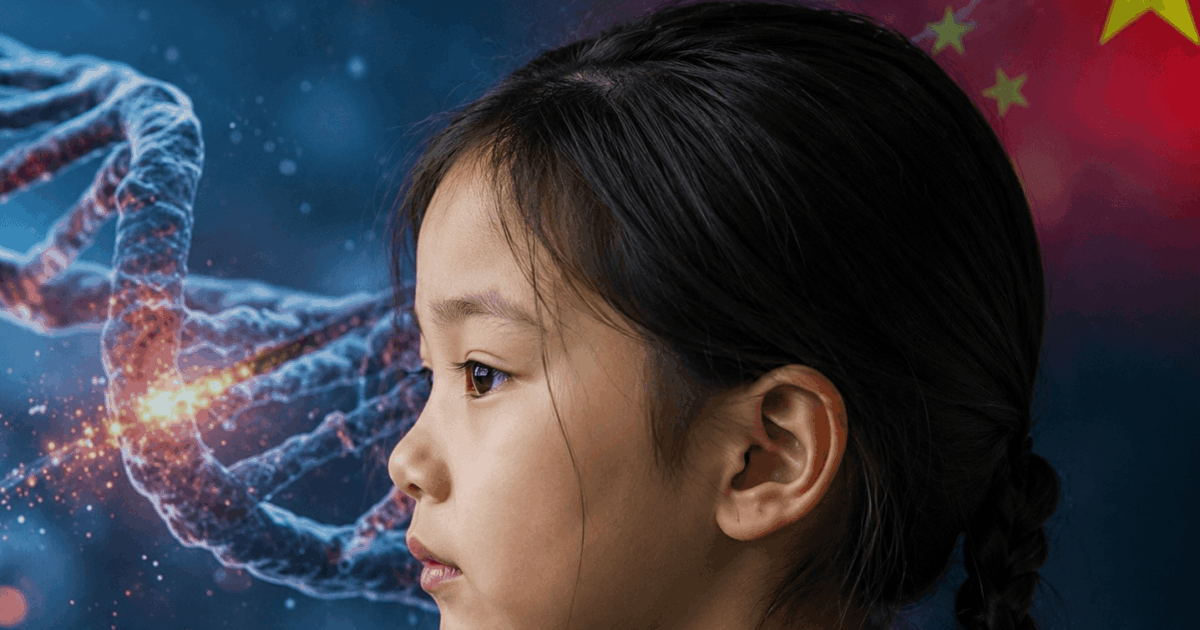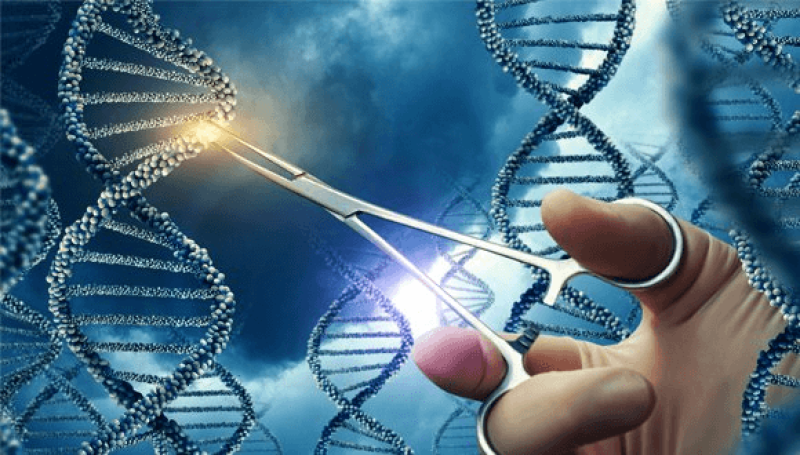

Gene-editing therapies are delivering real breakthroughs — and real tragedies. As bioethicists Emily Packard Dawson and Lainie Friedman Ross write in MedPage Today, a 6-year-old girl named Mei died from an experimental CRISPR-based therapy in China for her developmental disabilities, while “Baby KJ,” treated for a fatal metabolic disorder, continues to thrive on similar technology.
When Speed Outpaces Disclosure
The difference, the authors argue, is informed consent. Mei’s parents reportedly weren’t told researchers already had troubling primate data suggesting the treatment could kill her, according to a Science and Retraction Watch investigation — echoing the 1999 death of Jesse Gelsinger in an earlier U.S. gene-therapy trial. Surgeon Francis Moore warned decades ago that a family’s desperation and a scientist’s “inborn optimism of youthful science” can push aside “the more difficult task of explaining alternatives” to a parent who “wants the experiment to proceed.”
Some have pointed to China’s faster investigator-initiated trials as a model for U.S. researchers. But Dawson and Ross counter that translational speed cannot come “at the expense of the ethical and regulatory guardrails” that protect patients when hope, desperation, and scientific optimism align to move fast.



|
Related on the SLP
Death of a Chinese girl in a gene-editing trial raises concerns about China’s rush to become a biomedical superpower
|