Viewpoint: Don’t expect the first CRISPR baby to be born in the US

baby
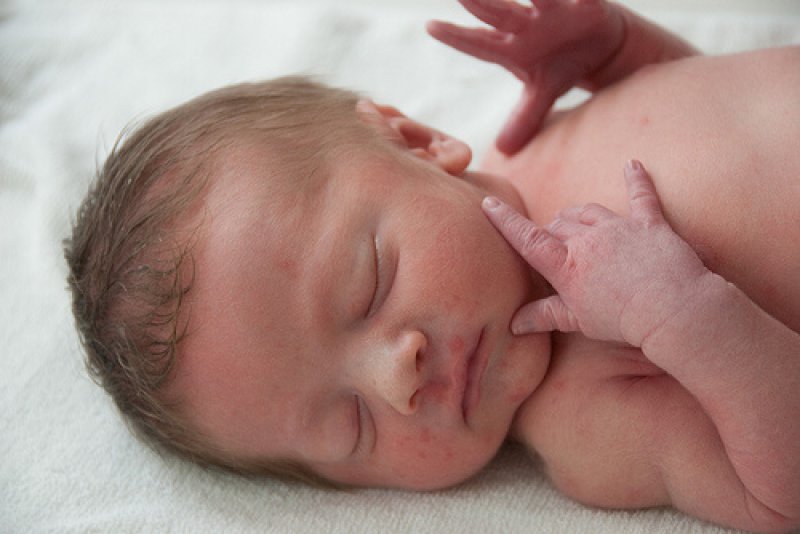
Image: Dylan Parker

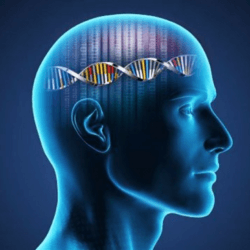
The media well and truly pricked up its collective ears when US geneticist Shoukhrat Mitalipov last month showed that he could use the CRISPR gene-editing system in a very early human embryo to correct a mutation that can cause heart defects.

…

But where might the first gene-edited baby be born? There are reasons to doubt it will be in the US. In February, the National Academies of Sciences published a report, Human Genome Editing: Science, ethics, and governance, that gives support for gene editing for human reproductive purposes, but only in cases where no safer, existing options are available.

Crucially, the existing method of screening unedited IVF embryos before implantation can usually generate one without a heritable mutation because there is a 50 per cent chance of not passing on a disease causing gene in almost all instances.

…
What’s more, US medical insurance coverage is unlikely to deem prophylactic gene-modification techniques “medically necessary”…

In addition, the US Food and Drug Administration regards CRISPR as a drug…As a result, CRISPR has to go through a regulatory pathway…and approval could take a decade or more. The FDA might raid any clinic trying to use unlicensed CRISPR to engineer a baby.

The GLP aggregated and excerpted this blog/article to reflect the diversity of news, opinion, and analysis. Read full, original post: This is why the first CRISPR baby won’t be born in the US


Related Articles

Infographic: Global regulatory and health research agencies on whether glyphosate causes cancer

Infographic: Global regulatory and health research agencies on whether glyphosate causes cancer

Does glyphosate—the world's most heavily-used herbicide—pose serious harm to humans? Is it carcinogenic? Those issues are of both legal and ...

Most Popular

Screenshot-2026-11-17-at-12.18.09-PM
Challenging glyphosate fear-mongering: Statewide Nebraska study finds no link between weedkiller use and non-Hodgkin lymphoma
BEMT Lotion for Freckled Skin
Burned by FDA bureaucracy: Why Americans waited decades for cancer-preventing sunscreen
ChatGPT-Image-Mar-10-2026-01_39_01-PM
Viewpoint—“Miracle molecule” debunked: Why acemannan supplements don’t work
Screenshot-2026-11-17-at-12.56.22-PM
RFK Jr.’s CDC blocked measles risk alert for pregnant women; 112 contracted the disease, and one-quarter were hospitalized
Health vs
Health vs. Hype’s rocky debut: American Medical Association’s misinformation-debunking podcast platforms ‘leaky gut’ wellness crank 
Low-Poly Climate Connections Infographic
Viewpoint: EU-backed climate “disinformation” crackdown—who polices what’s false?
Screenshot-2026-11-13-at-10.02.02-AM
Viewpoint: Why it’s such a big deal that under Trump-RFK Jr., the U.S. has lost its ‘measles-free’ status  
Energetic Speaker on Stage
Viewpoint: Why are the stars of the MAHA revolution standing by convicted rapist — and conservative firebrand — Russell Brand?
Nicotine Products on Gray Marble
Comparing vaping, nicotine patches and cigarettes: Not ‘safe vs. dangerous’  but ‘less harmful vs. more harmful’
ChatGPT-Image-Aug-18-2026-12_22_33-PM-2
‘The cure for measles is chicken soup and vitamin A’: Kennedy’s dangerous history of mocking vaccines
Screenshot-2026-11-17-at-11.04.14-AM
There are more than 6,000 genetic disorders. For the first time, gene editing is making some treatable. Are we ready?
glp menu logo outlined

Get news on human & agricultural genetics and biotechnology delivered to your inbox.