Muscular pigs in Cambodia raise false concerns about GMO technology, safety

These mutant pigs prove that Okja is already real
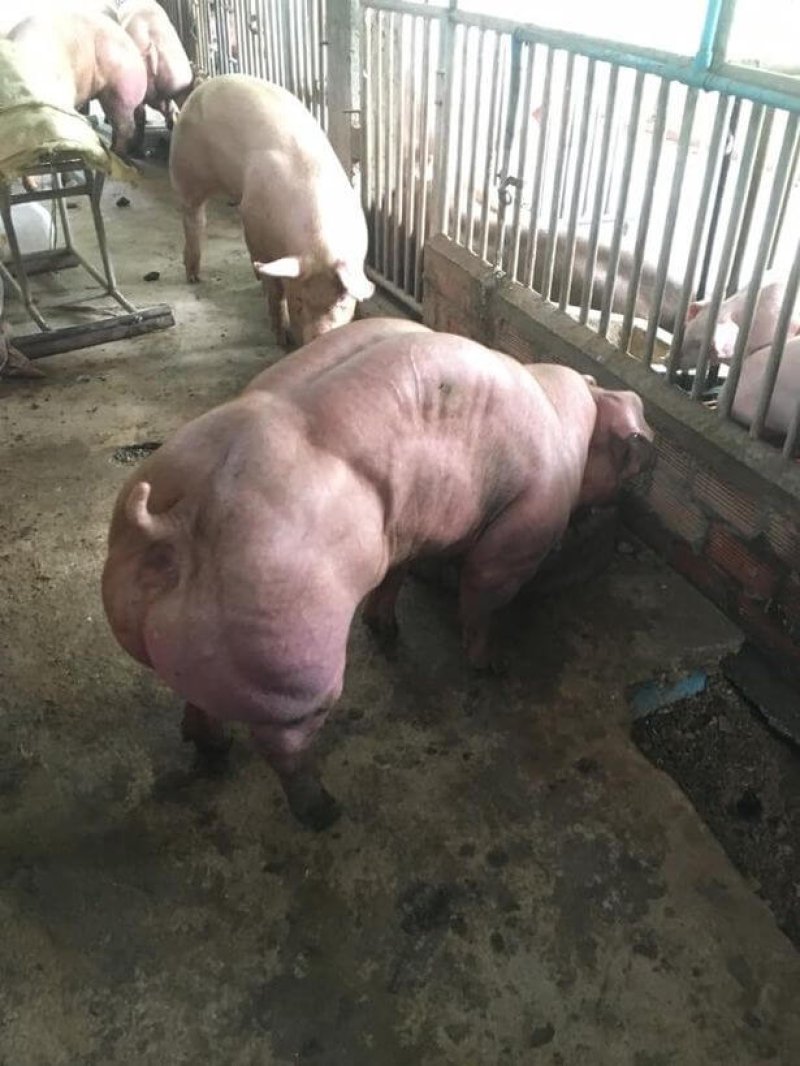
An image of one of the pigs from the purported farm in Cambodia

Pigs are being bred on a farm in Cambodia, and their enormous size and hulking muscles are raising alarm. The shocking sight of these “double-muscle” pigs—with enlarged buttocks and generally outsize physique—have stirred outrage, particularly because video footage of the animals appears to show them walking abnormally.

While PETA has claimed that these pigs are genetically altered, we don’t know that for sure. They could simply be bred to be buff; we can see from the pictures on the farm’s Facebook page that there is a spectrum of beefiness among them, and that lack of uniformity means genetic alteration is not at play.

We do know that in 2015 scientists at Seoul National University in Korea genetically modified pigs to have double-muscles. Researchers hoped to produce pigs that had more and leaner meat on them, and the Journal of Animal Breeding and Genetics published a study saying that altering the myostatin gene can “increase selling profits for animal producers.” The pigs in Cambodia could be of the same lineage or technique.

[Editor’s: No GMO pigs have been approved or released in any country.]

This particular gene disruption is relatively minor. The myostatin gene typically regulates muscle production. Without this gene keeping muscle tissue in check, animals will reach Hulk-like proportions.

The GLP aggregated and excerpted this article to reflect the diversity of news, opinion and analysis. Read full, original post: Hulk-Like Double-Muscle Mutant Pigs Being Bred on Farms in Cambodia


{{ reviewsTotal }}{{ options.labels.singularReviewCountLabel }}
{{ reviewsTotal }}{{ options.labels.pluralReviewCountLabel }}
{{ options.labels.newReviewButton }}
{{ userData.canReview.message }}

Related Articles

Infographic: Global regulatory and health research agencies on whether glyphosate causes cancer

Infographic: Global regulatory and health research agencies on whether glyphosate causes cancer

Does glyphosate—the world's most heavily-used herbicide—pose serious harm to humans? Is it carcinogenic? Those issues are of both legal and ...

Most Popular

Screenshot-2026-05-01-at-1.29.41-PM
Viewpoint: What happens when whole grains meet modern food manufacturing? Labels don’t tell the whole story.
Farmers can talk to plants
Farmers are a major source of misinformation—about farming
Screenshot-2026-04-12-135256
Bixonimania: The fake disease scam that AI swallowed whole
ChatGPT-Image-Apr-13-2026-02_20_22-PM
Viewpoint: Misinformation infodemic? Why assessing evidence is so challenging 
a ufo a photoblog
U.S. government accused of pushing ‘fake news’ about UFOs to cover-up secret dark-project drone and aircraft technology
ChatGPT-Image-Mar-27-2026-11_47_30-AM-2
FDA’s expedited drug reviews are hailed in some quarters but other approval practices are problematic
bigstock opioids on chalkboard with rol
GLP podcast: 'Safe injection sites': enabling drug addiction or saving lives?

Sorry. No data so far.

glp menu logo outlined

Get news on human & agricultural genetics and biotechnology delivered to your inbox.