Viewpoint: Biggest ‘bee apocalypse’ myth? There isn’t one

bee cover e
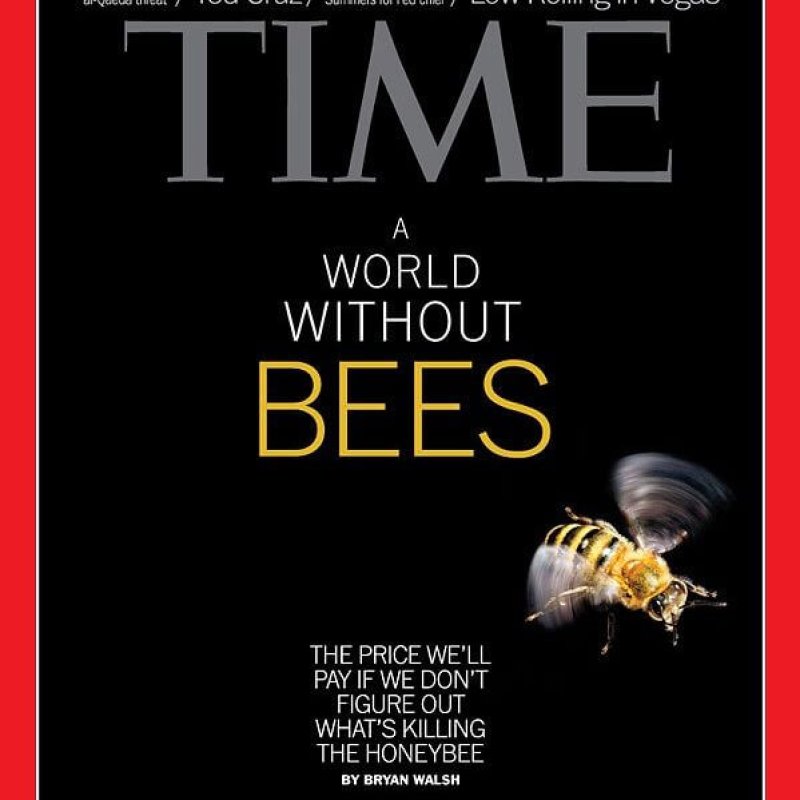
[D]espite panicked claims of an apocalypse, managed honeybee colonies in the United States have actually been rising since 2008. In fact, as of April 2017, U.S. honeybee colonies are at their highest levels in more than 23 years! According to University of Sussex Professor Dave Goulson, perhaps the foremost expert on bees, the trend is the same globally.

Herein lies the biggest myth of the “bee apocalypse”: that there actually is one. Fret not, bees aren’t going extinct anytime soon. Our food supply is not imminently imperiled.

Now, this doesn’t mean that bees aren’t facing tough times right now. Just because domesticated honeybees, which are raised like livestock, are in greater abundance, that doesn’t mean that their wild counterparts – around 20,000 species of them – aren’t threatened.

Pesticides could be another contributor to the decline of wild bees. Insecticides called neonicotinoids are regularly vilified here. Many lab studies reveal detrimental effects on bees, but these damages do not always show up in real-world field studies. On the whole, there does seem to be some harms from overexposure. For example, neonicotinoids may make bees slightly more susceptible to parasites or interfere with their classic “waggle dance,” a key way that bees communicate.

The GLP aggregated and excerpted this article to reflect the diversity of news, opinion and analysis. Read full, original post: The Biggest Myth About the “Bee Apocalypse”

{{ reviewsTotal }}{{ options.labels.singularReviewCountLabel }}
{{ reviewsTotal }}{{ options.labels.pluralReviewCountLabel }}
{{ options.labels.newReviewButton }}
{{ userData.canReview.message }}

Related Articles

Infographic: Global regulatory and health research agencies on whether glyphosate causes cancer

Infographic: Global regulatory and health research agencies on whether glyphosate causes cancer

Does glyphosate—the world's most heavily-used herbicide—pose serious harm to humans? Is it carcinogenic? Those issues are of both legal and ...

Most Popular

Screenshot-2026-05-01-at-11.56.24-AM
‘Science moves forward when people are willing to think differently’: Memories of DNA maverick Craig Venter
Screenshot-2026-04-03-at-11.15.51-AM
Paraben panic: How a flawed study, media hype, and chemophobia convinced the public of the danger of one of the safest classes of preservatives
Screenshot-2026-04-20-at-2.26.27-PM
Viewpoint — Food-fear world: The latest activist scientists campaign: Cancer-causing additives
Screenshot-2026-03-13-at-12.14.04-PM
The FDA wants to make many popular prescription drugs OTC—a great idea. Here’s why it’s unlikely to happen
ChatGPT-Image-May-1-2026-02_20_13-PM
How RFK, Jr.’s false vaccine claims are holding up $600 million to fight diseases in poor countries
viva-la-vida-watermelons
Misinformation and climate change are endangering summer watermelons
79d03212-2508-45d0-b427-8e9743ff6432
Viewpoint: The Casey Means hustle—Wellness woo opportunism dressed up as medical wisdom
ChatGPT-Image-Mar-27-2026-11_27_05-AM
The myths of “process”: What science says about the “dangers’ of synthetic products and ultra-processed foods
Drinking lots of water can help reduce the effects of aging
Nanoplastics in drinking water: MAHA activists forge science-based bipartisan coalition 
ChatGPT-Image-Apr-30-2026-12_21_05-PM-2
The tech billionaires behind the immortality movement
Screenshot-2026-04-30-at-2.19.37-PM
5 myths about summer dehydration that could damage your health — or even kill you
ChatGPT-Image-Mar-10-2026-01_39_01-PM
Viewpoint—“Miracle molecule” debunked: Why acemannan supplements don’t work

ChatGPT-Image-May-1-2026-03_16_32-PM
Viewpoint: How ‘health care guru’ Joe Rogan circumvented the FDA’s skepticism on psychedelics
glp menu logo outlined

Get news on human & agricultural genetics and biotechnology delivered to your inbox.