As climate heats up, can drought-tolerant GMO crops help prevent famine and conflict?

indiamonsoon

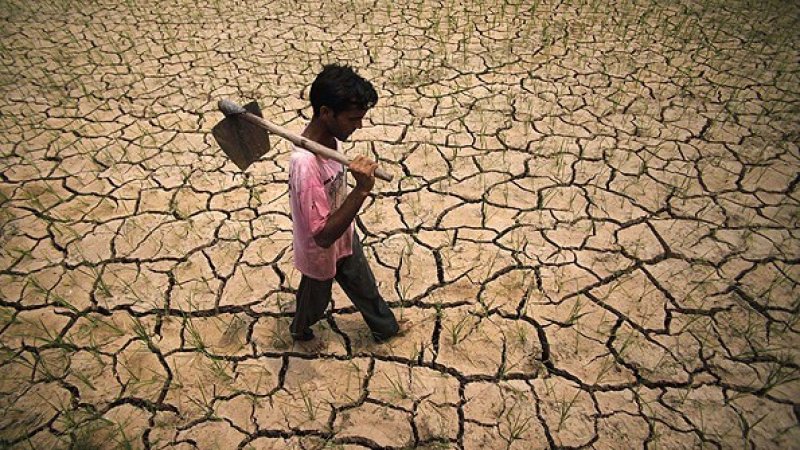
When most of us think about the threats posed by climate change, events like floods, droughts, intense storms and hotter temperatures come to mind.  These are all, according to the vast majority of scientists, exactly what we can expect to see more and more of.  However, what is often overlooked are the sociopolitical consequences of these climatic changes. In other words, we tend to view these natural disasters in a vacuum without recognizing the myriad ways in which climate change is both directly and indirectly shaping economies, cultures and governments.

This being the case, looking back at conflicts such as those in Syria and the Sudan, it has become increasingly clear that climate change played a role in triggering the instability that led to these conflicts. Which begs the question: could these conflicts have been prevented through non-political measures that responded to changes in climate?

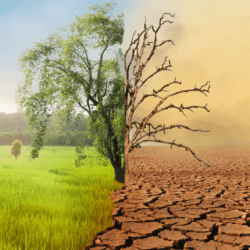
The answer increasingly seems to be yes. Further developments in biotechnology and a deeper understanding of what triggered the conflicts in Syria and Sudan point to novel prevention solutions grounded in modern agriculture. The arrival of genetically engineered (GE) drought-tolerant crops that can withstand longer and more intense droughts could have the potential to prevent future conflicts.
Read full, original post: GMO crops could help stem famine and future global conflicts

Related Articles

Infographic: Global regulatory and health research agencies on whether glyphosate causes cancer

Infographic: Global regulatory and health research agencies on whether glyphosate causes cancer

Does glyphosate—the world's most heavily-used herbicide—pose serious harm to humans? Is it carcinogenic? Those issues are of both legal and ...

Most Popular

Screenshot-2026-09-20-at-9.03.54-AM
From Malaysia to the world: A pioneering science communicator reimagines global science communication for a digital age
Screenshot-2026-09-16-at-2.26.42-PM
Viewpoint: How to ecologically damage America’s forests: Ban glyphosate
ChatGPT-Image-Mar-10-2026-01_39_01-PM
Viewpoint—“Miracle molecule” debunked: Why acemannan supplements don’t work
ChatGPT-Image-Sep-17-2026-12_28_43-PM
Vitamin D, omega-3 fish oil and glucosamine supplements could cause brain damage 
Screenshot-2026-09-20-at-4.31.28-PM
White House drafting executive order to control what OMB Director Vought claims are “woke” NIH science grants
ChatGPT-Image-Sep-20-2026-04_22_32-PM
What’s Trump’s ‘AI Force’? Administration rushes to announce ill-defined watchdog agency and czar amid criticism of its resistance to curb AI acceleration
Screenshot-2026-08-12-at-11.31.46-AM
AI is helping develop new vaccines
Screenshot-2026-09-14-at-4.31.14-PM
Viewpoint: What’s the likely impact when the EPA loosens rules limiting methane pollution from oil and gas wells?
Screenshot-2026-08-19-at-6.19.42-PM
Facts & Fallacies podcast: 'Regenerative farming'? RFK Jr.’s federal push romanticizes the past and risks food security
ChatGPT-Image-Aug-28-2026-03_33_46-PM
Viewpoint: Bad science—Five bogus Trump administration claims about vaccines and autism
ChatGPT-Image-Sep-18-2026-10_49_24-AM
‘Symptom borrowing’: Young people are copying health problems they see on TikTok
ChatGPT-Image-Sep-9-2026-02_48_24-PM
Viewpoint: Trump-RFK Jr. report on “Gender Ideology & Left-wing Ideology’ targets LGBTQ community—and science
glp menu logo outlined

Get news on human & agricultural genetics and biotechnology delivered to your inbox.