What we still need to know about ‘alternative’ meats

fullsizeoutput

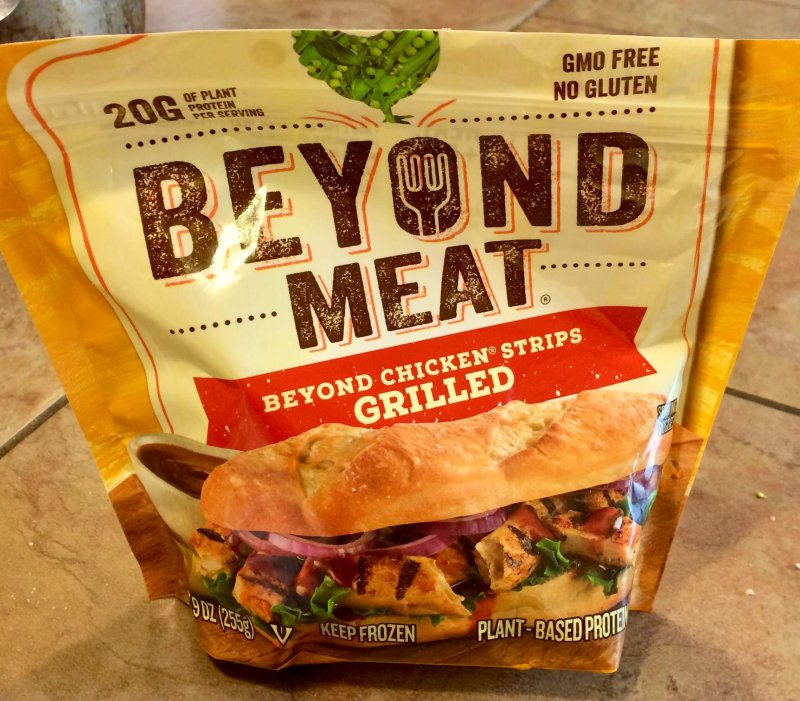
“Alternative Proteins” are a hot topic right now; the media, business and farmers are looking at the future of these products and their potential impact on the animal protein sector. The products fall into two groups: plant-based, which are currently on the market; and “lab grown” or “cultured,” which are derived from animal cells and are still in the development stage…

…

Developing a clear understanding of these products is critical. Both plant-based and cultured products are often promoted as being more sustainable, environmentally friendly, ethical and “pro- animal” than traditionally produced meat. These claims are generally accepted without challenge by interested consumers but have not been subject to rigorous examination.

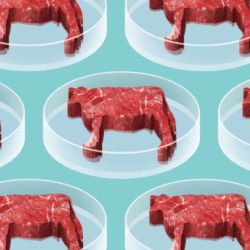
Particularly regarding cultured products, there are a lot of unanswered questions…We need to know the animal source of the cell lines used and the inputs used in replicating them outside an animal. How are they “fed”? Are antibiotics used, and if not, how can manufacturers be allowed to call these products “clean”?
…

…Since cultured products…have not yet hit the market, there is a question about whether they should be regulated by the FDA or by USDA’s Food Safety and Inspection Service (FSIS). Proponents of the products want them regulated by the FDA. This is not surprising since FDA regulation will give them far less scrutiny in both inspection of the production process and the making of label claims.

Read full, original article: Fake Pork for Breakfast?

Related Articles

Infographic: Global regulatory and health research agencies on whether glyphosate causes cancer

Infographic: Global regulatory and health research agencies on whether glyphosate causes cancer

Does glyphosate—the world's most heavily-used herbicide—pose serious harm to humans? Is it carcinogenic? Those issues are of both legal and ...

Most Popular

ChatGPT-Image-Mar-10-2026-01_39_01-PM
Viewpoint—“Miracle molecule” debunked: Why acemannan supplements don’t work
Screenshot-2026-09-22-at-12.26.15-PM
‘Forever chemical’ concerns: Separating hysteria from reasonable concern in the debate over PFAS danger
Screenshot-2026-10-06-at-11.13.59-AM
RFK Jr.’s plan to curb America’s appetite for ultra-processed foods and artificial dyes blocked by the White House
Screenshot 2026-10-08 at 1.34
Hooked on kratom: The unregulated, natural, alcohol-free “social tonic” that is destroying lives 
Screenshot-2026-10-06-at-2.36.47-PM
Is organic farming really more sustainable? 100 recent studies say ‘no’
Resolute-Portrait-with-Injured-Teddy-Bear
Anti-vax Texas Senate candidate Ken Paxton alleges conspiracy by doctors, drugmakers, and insurers to push childhood vaccination for profit
Screenshot-2026-09-28-at-11.26.17-AM
Viewpoint: Wellness movement activists reposition nicotine from a killer addictive drug into a cure-all for brain ills
No-Data-Center-Farm-Protest-Sign-2
Rural revival or corporate windfall? Trump’s One Big Beautiful Bill tax law opens the door to big breaks for data centers—but tech giants aren’t cashing in
Radioactive-Americana-Collage-2
The kooky logic behind the raft of spurious cancer claims from Harvard’s T.H. Chan School of Public Health
ChatGPT-Image-Sep-21-2026-11_21_39-AM
Viewpoint: Food cults: Online ‘nutrition communities’ can pose unique dangers
strand of dna genetics
No, GMO foods do not “damage genes, natural disposition and hormones, or decrease physical health and intelligence”
Supreme-Court-Amid-Climate-Crisis
Should fossil fuel companies be shielded from lawsuits over climate change damage? The Supreme Court takes up the question
glp menu logo outlined

Get news on human & agricultural genetics and biotechnology delivered to your inbox.