Synthetic marijuana has a real problem: Nobody knows what’s in it

SyntheticPot
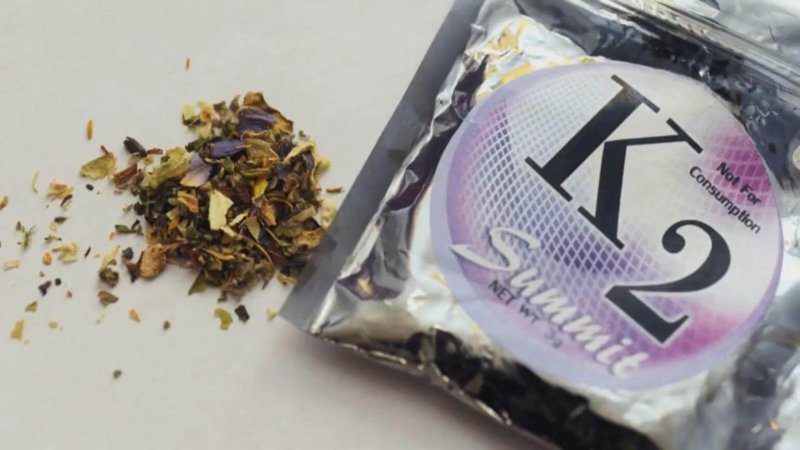
Image credit: Chicago Tonight
[Recently], more than 70 people overdosed on the synthetic marijuana known as K2 during a single 24 hour period in New Haven, Connecticut.

In July, the FDA issued a statement warning about the unique dangers of these synthetic drugs.

The illicit substances are all lab-made cocktails of compounds that attach to cannabinoid receptors, which are the same ones in the brain that marijuana binds to. They’re usually sprayed onto plants and smoked. But despite the name and the method of consumption, these drugs are very different than leafy green cannabis, and can cause major health problems.

These synthetic drugs are often called the same thing—K2, Spice, or Black Mamba being among the most popular—but individual batches all contain different chemicals and aren’t regulated at all. As long as the chemical compound binds to a cannabinoid receptor, it’s likely to be packaged and sold as K2 without any sort of testing.

Additionally, the synthetic compounds are all far more potent than the cannabinoids in marijuana plants. If the cannabinoid receptors were a dial, the plant would consistently turn it up a few notches. The synthetic compounds, on the other hand, would spin it freely.

“This is a constantly changing landscape,” [toxicologist Andrew] Monte says. “Until we come up with a more robust surveillance network and substance abuse education platform, we’ll continue to have these outbreaks of severe illness.”

Read full, original post: K2’s deadly mystery: Nobody knows what’s actually in synthetic marijuana

{{ reviewsTotal }}{{ options.labels.singularReviewCountLabel }}
{{ reviewsTotal }}{{ options.labels.pluralReviewCountLabel }}
{{ options.labels.newReviewButton }}
{{ userData.canReview.message }}

Related Articles

Infographic: Global regulatory and health research agencies on whether glyphosate causes cancer

Infographic: Global regulatory and health research agencies on whether glyphosate causes cancer

Does glyphosate—the world's most heavily-used herbicide—pose serious harm to humans? Is it carcinogenic? Those issues are of both legal and ...

Most Popular

Screenshot 2025-08-25 203032
Mazzenga’s 20-year old muscles: How a still-going-strong 92-year old sprinter wins every race she enters
Screenshot-2026-06-08-at-10.19.30-AM
‘Natural’ wellness supplements linked to liver injury
ChatGPT-Image-May-28-2026-12_56_54-PM
Viewpoint: Vaccines' non-specific effects? The ‘shoddy’ Danish couple whose 'research’ inspires RFK, Jr.’s health delusion
Screenshot-2026-06-05-at-2.12.30-PM
Some plants can poison you. So how did humans figure out what is safe to eat?
Screen Shot at AM
Facts & Fallacies Podcast: Right-wing politics bad for your health? Separating speculation from science
Credit: ACSH
Viewpoint: Who and what’s to blame for the surge in vaccine-preventable diseases?
Screenshot-2026-06-05-at-1.44.09-PM
Viewpoint: Scientists have scrapped the worst-case climate scenario. Is that proof that climate change is a hoax, as Trump claims?
ChatGPT-Image-Jun-9-2026-03_24_05-PM
Misinformed parents overdosing children with Vitamin A to fight measles
Screenshot 2025-07-30 at 10.48
Can gene editing eliminate Down syndrome? Scientists have done it in lab-grown cells
ChatGPT-Image-Mar-10-2026-01_39_01-PM
Viewpoint—“Miracle molecule” debunked: Why acemannan supplements don’t work
ChatGPT-Image-Jun-9-2026-11_54_59-AM
Why weight-loss drugs might be reducing cancer rates and making treatment more effective
ChatGPT-Image-Jun-9-2026-12_30_14-PM
The ‘low-quality’, retracted studies RFK, Jr. and MAHA rely on for anti-vaccine claims
glp menu logo outlined

Get news on human & agricultural genetics and biotechnology delivered to your inbox.