Pregnancy complications linked to higher risk of autism

gestational diabetes autism risk
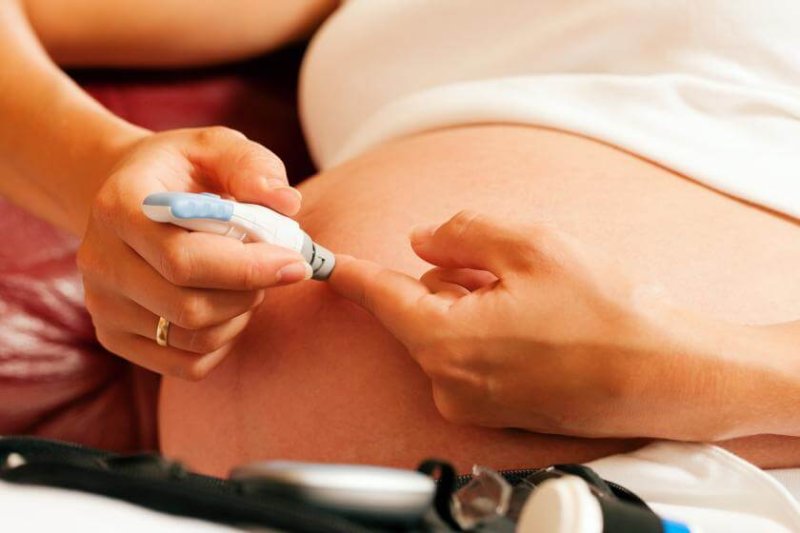
Gestational diabetes. Image credit: Shutterstock

High blood pressure or abnormal bleeding during pregnancy, as well as complications such as cesarean delivery or preterm birth, may all increase the risk of autism, two new studies suggest. And the more difficulties during pregnancy and delivery, the more severe the autism features in the child, according to one of the studies.

[Researcher Susan Shur-Fen] Gau and her team recruited 323 autistic children with an average age of 10, and 257 of their siblings, from two medical centers in Northern Taiwan. They also included 1,504 controls, age 8 on average, from local schools and the community.

The team asked the children’s mothers whether they experienced any of 10 complications during pregnancy or delivery such as gestational diabetes, high blood pressure, abnormal bleeding and low birth weight. For about 15 percent of the mothers, the researchers were able to verify the answers with medical records.

About 22 percent of the mothers of autistic children experienced abnormal bleeding compared with 9 percent of mothers of neurotypical children, the researchers found. A larger proportion of mothers of autistic children also had preeclampsia (high blood pressure during pregnancy) and cesarean delivery compared with the controls.

However, it is unclear what that connection is, Gau says. “The specific mechanisms definitely need to be studied,” she says.

Read full, original post: Complications during pregnancy may contribute to autism risk

{{ reviewsTotal }}{{ options.labels.singularReviewCountLabel }}
{{ reviewsTotal }}{{ options.labels.pluralReviewCountLabel }}
{{ options.labels.newReviewButton }}
{{ userData.canReview.message }}

Related Articles

Infographic: Global regulatory and health research agencies on whether glyphosate causes cancer

Infographic: Global regulatory and health research agencies on whether glyphosate causes cancer

Does glyphosate—the world's most heavily-used herbicide—pose serious harm to humans? Is it carcinogenic? Those issues are of both legal and ...

Most Popular

Screenshot-2026-04-14-at-11.11.06-AM
‘Turbo cancer’ or mRNA cancer cure? Strategies to counter misinformation
ChatGPT Image May 28, 2026, 08_16_38 PM
Viewpoint: Why the EPA mismeasures cancer risk of chemicals and what should be done to fix it
ChatGPT-Image-May-22-2026-10_56_42-AM-2
‘It’s not super useful’: As wariness about AI grows, Trump proposes rollback of healthcare safeguards
fda_logo_decimated
Viewpoint: RFK, Jr.’s FDA is on a screaming downward path—and why it may never recover
edb7f6d7-2370-418f-9578-74e29678e35c
Facts & Fallacies Podcast: Nicotine vaping—public health miracle, or risk to children? Professor Cliff Douglas
ChatGPT-Image-May-28-2026-11_31_47-AM-2
Relying on your doctor or AI miracle cure, death and debilitation? Neurologist makes the wrong choice
ChatGPT-Image-May-22-2026-10_26_09-AM
Gutting the National Science Board: How the Trump-RFK, Jr. crusade is erasing the separation of science and state
Screenshot-2026-05-27-at-10.51.25-AM
Viewpoint: ‘Monsanto’ blues—Planned Netflix movie promises yet another round of anti-glyphosate disinformation
ChatGPT-Image-Mar-10-2026-01_39_01-PM
Viewpoint—“Miracle molecule” debunked: Why acemannan supplements don’t work
ChatGPT-Image-May-26-2026-11_51_01-AM
Viewpoint: RFK, Jr.’s ‘sadistic’ solution to autism, depression, and other ills looks a lot like prison camp
vax-misinformation-main
Facts & Fallacies Podcast: Limit free speech to blunt social media misinfo?
Picture1
The Orange Bowl without oranges: Can CRISPR save Florida citrus?

Sorry. No data so far.

glp menu logo outlined

Get news on human & agricultural genetics and biotechnology delivered to your inbox.