Scientists could save American Chestnut Tree with genetic engineering—if regulators let them

chestnut
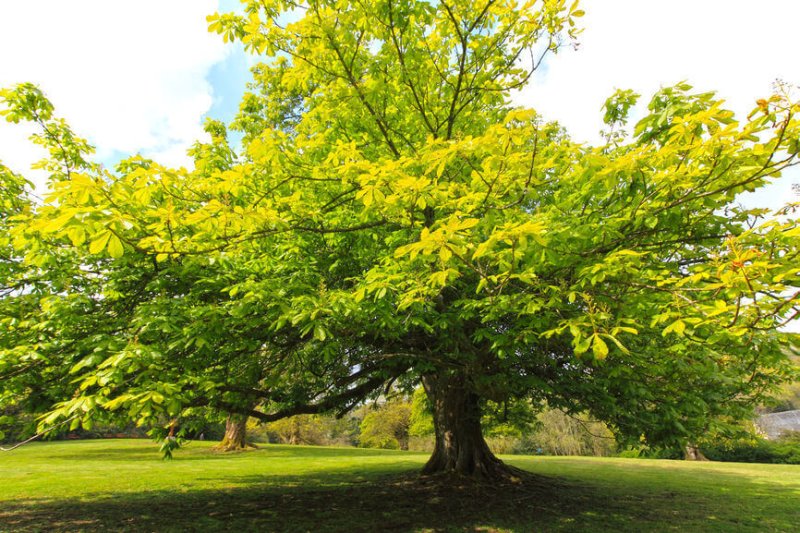
Scientists could save American Chestnut Tree with genetic engineering—if regulators let them Image Credit: auburnpub.com

Two deer-fenced plots here contain some of the world’s most highly regulated trees. Each summer researchers double-bag every flower the trees produce. One bag, made of breathable plastic, keeps them from spreading pollen. The second, an aluminum mesh screen added a few weeks later, prevents squirrels from stealing the spiky green fruits that emerge from pollinated flowers. The researchers report their every move to regulators with the U.S. Department of Agriculture (USDA). “We tell them when we plant and where we plant and how many we plant,” says Andrew Newhouse, a biologist at the nearby State University of New York College of Environmental Science and Forestry ….

These American chestnut trees (Castanea dentata) are under such tight security because they are genetically modified (GM) organisms, engineered to resist a deadly blight that has all but erased the once widespread species from North American forests. Now, Newhouse and his colleagues hope to use the GM chestnuts to restore the tree to its former home. In the coming weeks, they plan to formally ask U.S. regulators for approval to breed their trees with nonengineered relatives and plant them in forests.

Read full, original article: To save iconic American chestnut, researchers plan introduction of genetically engineered tree into the wild


{{ reviewsTotal }}{{ options.labels.singularReviewCountLabel }}
{{ reviewsTotal }}{{ options.labels.pluralReviewCountLabel }}
{{ options.labels.noReviewsLabel }}
{{ options.labels.newReviewButton }}
{{ userData.canReview.message }}

Related Articles

Infographic: Global regulatory and health research agencies on whether glyphosate causes cancer

Infographic: Global regulatory and health research agencies on whether glyphosate causes cancer

Does glyphosate—the world's most heavily-used herbicide—pose serious harm to humans? Is it carcinogenic? Those issues are of both legal and ...

Most Popular

Screenshot 2026-07-11 094410
Growing animal muscle and fat cells inside rice grains and calling it beef: One of numerous genetically engineered products shaking up our ecosystem
ChatGPT-Image-Mar-10-2026-01_39_01-PM
Viewpoint—“Miracle molecule” debunked: Why acemannan supplements don’t work
file-f-d-d-
Facts & Fallacies Podcast: Europe's AC debacle underscores fatal flaw in green activism
Screenshot-2026-07-16-at-11.32.12-AM
Viewpoint: Trump appoints climate change hoax promoter to head influential government policy project
Screenshot 2026-07-16 at 8.49
Pete Hegseth’s bizarre Viagra commercial as Trump administration endorses ‘hormone replacement therapy’
Screenshot-2026-07-16-at-6.02.54-PM
Wellness grifters overwhelm information channels in the developing world, and the problem is escalating
ChatGPT-Image-Jun-25-2026-12_23_17-PM
No, Bill Gates did not secretly engineer ticks to promote veganism
ChatGPT-Image-Jul-9-2026-02_39_22-PM
Viewpoint: Polyphenols or NAD+ supplements to combat aging: No, Gwenyth Paltrow and followers, don’t waste your money.
Screenshot 2025-09-17 at 12.41
Misinformation alert: No, glyphosate use in Canadian forests is not spurring more wildfires
ChatGPT-Image-Jul-1-2026-03_33_49-PM
‘Alternative’ cancer treatments that could kill you
Screenshot-2026-07-16-at-12.08.38-PM
Viewpoint: With trust in doctors and mainstream medicine collapsing, medical professionals need a new communications strategy
Screenshot-2026-07-08-at-9.36.03-AM
Viewpoint: Long-contained diseases are on the rise in the U.S. Are Trump cuts to blame?

Sorry. No data so far.

glp menu logo outlined

Get news on human & agricultural genetics and biotechnology delivered to your inbox.