Targeting rare diseases with RNA treatments

RNA

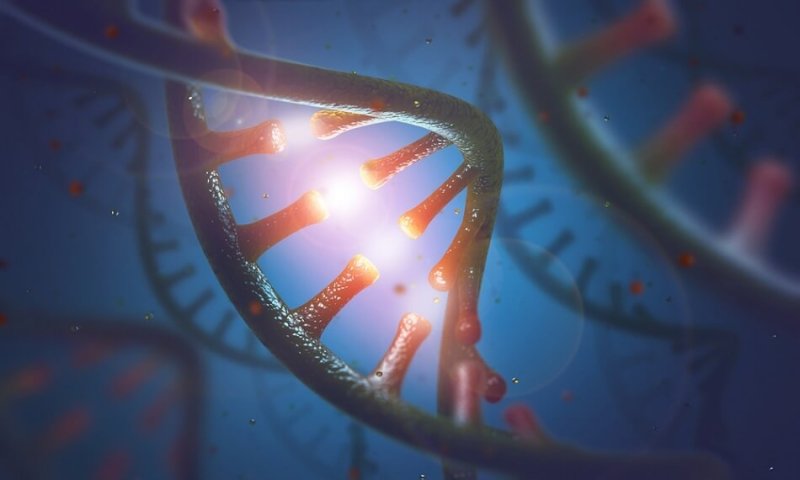
There are approximately 7,000 known rare diseases, however, less than 6% of these have a treatment. It is estimated that between 25–35 million Americans live with a rare disease. The company ProQR is dedicated to developing new therapeutics for patients living with untreated rare diseases.

We caught up with Daniel de Boer, Chief Executive Officer at ProQR to learn more about the company’s approach to finding new treatments for rare genetic diseases.

Q: Could you tell us more about ProQR, the company history, mission and goals?

A: At ProQR we develop RNA medicines for rare genetic diseases. I started ProQR in 2012 because my son was diagnosed with a rare genetic disease for which there was no treatment. We now have a diversified pipeline of programs for severe genetic eye and skin disorders with the goal to have a positive impact on the lives of patients and their loved ones.

ProQR recently announced results from a planned interim analysis of its Phase 1/2 trial of QR-110 in patients with Leber congenital amaurosis 10.

Q: What other drug candidates are currently in development and what indications are they being investigated for?

A: We have a broad pipeline of RNA medicines targeting severe genetic rare diseases. Besides QR-110 for LCA10 we are developing several other programs for genetic eye disorders including Usher syndrome, Stargardt’s disease and Fuchs endothelial corneal dystrophy.

Read full, original post: Developing RNA Medicines for Rare Genetic Diseases

{{ reviewsTotal }}{{ options.labels.singularReviewCountLabel }}
{{ reviewsTotal }}{{ options.labels.pluralReviewCountLabel }}
{{ options.labels.newReviewButton }}
{{ userData.canReview.message }}

Related Articles

Infographic: Global regulatory and health research agencies on whether glyphosate causes cancer

Infographic: Global regulatory and health research agencies on whether glyphosate causes cancer

Does glyphosate—the world's most heavily-used herbicide—pose serious harm to humans? Is it carcinogenic? Those issues are of both legal and ...

Most Popular

Screenshot-2026-04-14-at-11.11.06-AM
‘Turbo cancer’ or mRNA cancer cure? Strategies to counter misinformation
ChatGPT Image May 28, 2026, 08_16_38 PM
Viewpoint: Why the EPA mismeasures cancer risk of chemicals and what should be done to fix it
ChatGPT-Image-May-22-2026-10_56_42-AM-2
‘It’s not super useful’: As wariness about AI grows, Trump proposes rollback of healthcare safeguards
fda_logo_decimated
Viewpoint: RFK, Jr.’s FDA is on a screaming downward path—and why it may never recover
edb7f6d7-2370-418f-9578-74e29678e35c
Facts & Fallacies Podcast: Nicotine vaping—public health miracle, or risk to children? Professor Cliff Douglas
ChatGPT-Image-May-22-2026-10_26_09-AM
Gutting the National Science Board: How the Trump-RFK, Jr. crusade is erasing the separation of science and state
ChatGPT-Image-May-28-2026-11_31_47-AM-2
Relying on your doctor or AI miracle cure, death and debilitation? Neurologist makes the wrong choice
Screenshot-2026-05-27-at-10.51.25-AM
Viewpoint: ‘Monsanto’ blues—Planned Netflix movie promises yet another round of anti-glyphosate disinformation
ChatGPT-Image-May-26-2026-11_51_01-AM
Viewpoint: RFK, Jr.’s ‘sadistic’ solution to autism, depression, and other ills looks a lot like prison camp
vax-misinformation-main
Facts & Fallacies Podcast: Limit free speech to blunt social media misinfo?
ChatGPT-Image-Mar-10-2026-01_39_01-PM
Viewpoint—“Miracle molecule” debunked: Why acemannan supplements don’t work
Picture1
The Orange Bowl without oranges: Can CRISPR save Florida citrus?

Sorry. No data so far.

glp menu logo outlined

Get news on human & agricultural genetics and biotechnology delivered to your inbox.