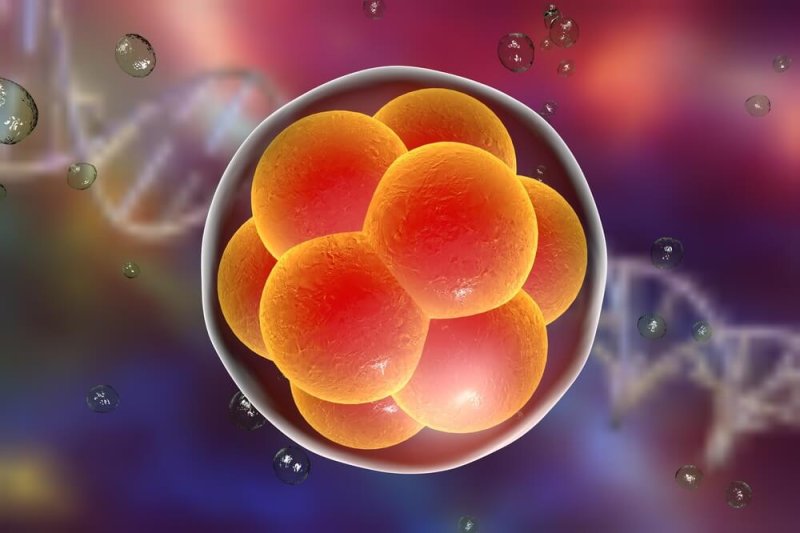
Japan poised to permit gene editing on human embryos by 2019

shutterstock

Japan has issued draft guidelines that allow the use of gene-editing tools in human embryos. The proposal was released by an expert panel representing the country’s health and science ministries on 28 September.

Although the country regulates the use of human embryos for research, there have been no specific guidelines on using tools such as CRISPR–Cas9 to make precise modifications in their DNA until now.

Tetsuya Ishii, a bioethicist at Hokkaido University in Sapporo, says that before the draft guidelines were issued, Japan’s position on gene editing in human embryos was neutral. The proposal now encourages this kind of research, he says.

But if adopted, the guidelines would restrict the manipulation of human embryos for reproduction, although this would not be legally binding.

Manipulating DNA in embryos could reveal insights into early human development. Researchers also hope that in the long term, these tools could be used to fix genetic mutations that cause diseases, before they are passed on.

But the editing of genes in human embryos, even for research, has been controversial. Ethicists and many researchers worry that the technique could be used to alter DNA in embryos for non-medical reasons.

Japan’s draft guidelines will be open for public comment and are likely to be implemented in the first half of next year.

Read full, original post: Japan set to allow gene editing in human embryos

{{ reviewsTotal }}{{ options.labels.singularReviewCountLabel }}
{{ reviewsTotal }}{{ options.labels.pluralReviewCountLabel }}
{{ options.labels.noReviewsLabel }}
{{ options.labels.newReviewButton }}
{{ userData.canReview.message }}

Related Articles

Infographic: Global regulatory and health research agencies on whether glyphosate causes cancer

Infographic: Global regulatory and health research agencies on whether glyphosate causes cancer

Does glyphosate—the world's most heavily-used herbicide—pose serious harm to humans? Is it carcinogenic? Those issues are of both legal and ...

Most Popular

ChatGPT-Image-Jul-22-2026-09_13_07-AM
Viewpoint—The Strategic Litigation boom: Understanding the tightening coalition among NGOs, foundations, journalists, and tort lawyers
ChatGPT-Image-Mar-10-2026-01_39_01-PM
Viewpoint—“Miracle molecule” debunked: Why acemannan supplements don’t work
ChatGPT-Image-Jun-25-2026-12_23_17-PM
No, Bill Gates did not secretly engineer ticks to promote veganism
How to Include More Strawberries in Your Diet
Strawberries are berries—and 35 other surprising food and drink myths
close up arabica coffee farmer s hands picking beans plant his farm colombia
Viewpoint: Why do so many ‘mainstream’ and ‘respected’ media outlets exaggerate climate change threats?
ChatGPT-Image-May-22-2026-10_26_09-AM
Trump-RFK, Jr. National Science Board firings: Accountability vs. partisan meddling
Screenshot-2026-07-07-at-12.55.44-PM
Viewpoint: Yes, we can adapt to a changing climate without devastating the environment and the economy
diversity
We are entering a new era of personalized medicine—if you’re white
using genetics to reverse aging
Is the longevity obsession a new form of ageism?

Sorry. No data so far.

glp menu logo outlined

Get news on human & agricultural genetics and biotechnology delivered to your inbox.