DNA testing boom drives demand for genetic counselors

web genetics may bt
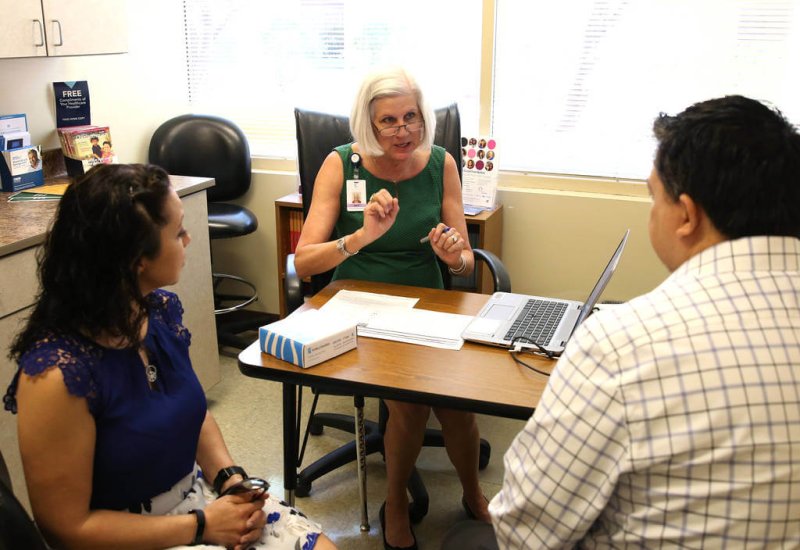
Image credit: Bizuayehu Tesfaye/Las Vegas Review
[W]ith precision medicine going mainstream and an explosion of apps piping genetic insights to your phone from just a few teaspoons of spit, millions of Americans are having their DNA decoded every year. That deluge of data means that genetic counselors—the specialized medical professionals trained to help patients interpret genetic test results—are in higher demand than ever. With two to three job openings for every new genetic counseling graduate, the profession is facing a national workforce shortage.

Baylor runs one of 11 new accredited programs in North America (10 in the US and one in Canada) that have launched in the last three years, increasing the total number of training programs on the continent by a third. There are at least a dozen more in various stages of development.

But with the shortfall in genetic counselors, there also aren’t enough professionals to train the up-and-comers. Most programs can only accept 8 to 12 new students per year, because accrediting standards require each student to handle a certain number of clinical cases. Yet there are only so many supervisors to go around.

Counselors have also left the clinic for higher-paying jobs in other branches of the healthcare industry. Genetic counselors make less than other medical professionals with similar training.

There might be more ways to decode your DNA than ever before, but interpretation is still a scarce commodity.

Read full, original post: So much genetic testing. So few people to explain it to you

{{ reviewsTotal }}{{ options.labels.singularReviewCountLabel }}
{{ reviewsTotal }}{{ options.labels.pluralReviewCountLabel }}
{{ options.labels.newReviewButton }}
{{ userData.canReview.message }}

Related Articles

Infographic: Global regulatory and health research agencies on whether glyphosate causes cancer

Infographic: Global regulatory and health research agencies on whether glyphosate causes cancer

Does glyphosate—the world's most heavily-used herbicide—pose serious harm to humans? Is it carcinogenic? Those issues are of both legal and ...

Most Popular

ChatGPT Image Jun 3, 2026, 03_54_37 PM
Viewpoint: “Turn on, tune in, drop out”—Kennedy embraces the Timothy Leary psychedelic revolution
ChatGPT-Image-Jun-11-2026-01_15_03-PM
Selective Pressure, Selective Silence
Screenshot-2026-06-05-at-2.12.30-PM
Some plants can poison you. So how did humans figure out what is safe to eat?
ChatGPT Image Jun 3, 2026, 03_14_43 PM
Viewpoint: How Earthjustice became the poster child for the abuse of special interest activist funding
Screenshot-2026-06-11-at-4.00.17-PM
Gen Z burned by sunscreen misinformation and tanning myths
Screenshot-2026-06-03-at-1.24.46-PM
Challenging anti-GMO disinformation: Why genetically-tweaked crops offer bushels of benefits
ChatGPT Image May 28, 2026, 08_16_38 PM
Viewpoint: Why the EPA mismeasures cancer risk of chemicals and what should be done to fix it
ChatGPT Image Jun 1, 2026, 11_39_17 AM
Viewpoint: When food myths go viral, farmers pay the price
Screenshot-2026-06-11-at-3.40.06-PM
'Toxin' detox: A gastroenterologist weighs in on $71 billion health trend

Sorry. No data so far.

glp menu logo outlined

Get news on human & agricultural genetics and biotechnology delivered to your inbox.