How western organic food companies are threatening China’s farmers

Screen Shot at AM
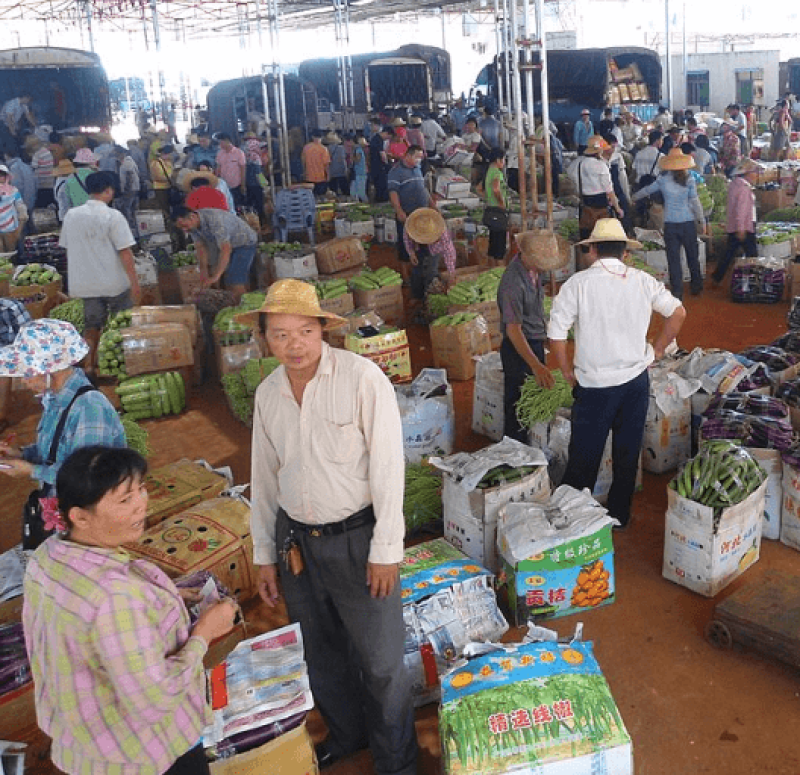
A wholesale vegetable market in China

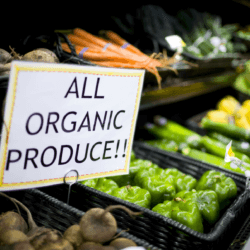
As Chinese consumers have prioritized food quality, imported organic products have soared in popularity, with some supermarkets following in the footsteps of their Western counterparts by dedicating entire sections to organic foods.

But while the boost in organic food sales should in theory be a boon to farmers, [Dr. Xia Hanbing, manager of Shanghai Tianzai Fruits and Vegetables Specialized Co-op,] laments that it’s not easy to cultivate such products in China. “It’s nearly impossible to grow organic vegetables on my farm, and it’s difficult for other farmers, too,” Xia says. “First and foremost, ‘organic’ calls for certain soil and water standards, and because vegetables are part of the food chain, they’re especially vulnerable to diseases and pests. The current eco-friendly measures to combat these problems are not yet developed enough to fully replace pesticides.”

China has its own standards for organic products …. but with foreign brands scrambling to enter the Chinese market, many are simply buying fake “organic” accreditation from for-profit agencies, according to a July report from state news agency Xinhua.
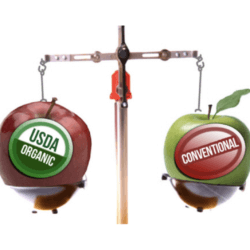
“Certifying and accrediting organic food has become a business,” Xia says. “With the certification process so often going through third parties with their own commercial interests, it has become a stamp of approval for the food producer itself, rather than for its products.”

Read full, original article: Greener Pastures: China’s Fraught Relationship With Organic Food

{{ reviewsTotal }}{{ options.labels.singularReviewCountLabel }}
{{ reviewsTotal }}{{ options.labels.pluralReviewCountLabel }}
{{ options.labels.newReviewButton }}
{{ userData.canReview.message }}

Related Articles

Infographic: Global regulatory and health research agencies on whether glyphosate causes cancer

Infographic: Global regulatory and health research agencies on whether glyphosate causes cancer

Does glyphosate—the world's most heavily-used herbicide—pose serious harm to humans? Is it carcinogenic? Those issues are of both legal and ...

Most Popular

Screenshot-2026-04-20-at-2.26.27-PM
Viewpoint — Food-fear world: The latest activist scientists campaign: Cancer-causing additives
Screenshot-2026-05-01-at-11.56.24-AM
‘Science moves forward when people are willing to think differently’: Memories of DNA maverick Craig Venter
Screenshot-2026-03-13-at-12.14.04-PM
The FDA wants to make many popular prescription drugs OTC—a great idea. Here’s why it’s unlikely to happen
Screenshot-2026-04-03-at-11.15.51-AM
Paraben panic: How a flawed study, media hype, and chemophobia convinced the public of the danger of one of the safest classes of preservatives
ChatGPT-Image-May-1-2026-02_20_13-PM
How RFK, Jr.’s false vaccine claims are holding up $600 million to fight diseases in poor countries
viva-la-vida-watermelons
Misinformation and climate change are endangering summer watermelons
Screenshot-2026-04-30-at-2.19.37-PM
5 myths about summer dehydration that could damage your health — or even kill you
ChatGPT-Image-Mar-27-2026-11_27_05-AM
The myths of “process”: What science says about the “dangers’ of synthetic products and ultra-processed foods
Drinking lots of water can help reduce the effects of aging
Nanoplastics in drinking water: MAHA activists forge science-based bipartisan coalition 
ChatGPT-Image-Mar-10-2026-01_39_01-PM
Viewpoint—“Miracle molecule” debunked: Why acemannan supplements don’t work
79d03212-2508-45d0-b427-8e9743ff6432
Viewpoint: The Casey Means hustle—Wellness woo opportunism dressed up as medical wisdom
Screenshot-2026-05-04-at-12.54.32-PM
How Utah became the country’s supplement capital  — and a haven for unregulated, ineffective and fake products
ChatGPT-Image-Apr-30-2026-12_21_05-PM-2
The tech billionaires behind the immortality movement
glp menu logo outlined

Get news on human & agricultural genetics and biotechnology delivered to your inbox.